皮包(1956)
About 皮包
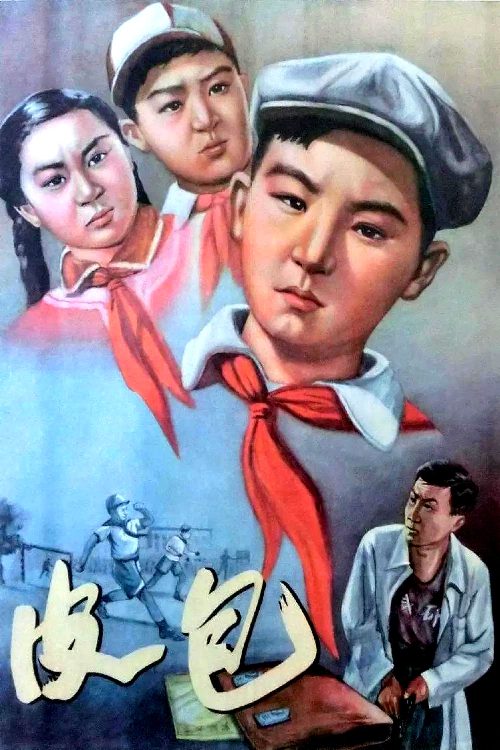
A tender exploration of everyday life and the quiet dignity of its inhabitants, "Pi Bao" emerges from the annals of Chinese cinema, offering a window into a specific time and place. Directed by Lan Wang, this 1956 production, whose title translates to "Leather Bag," delves into the intricacies of human connection and the objects that carry our stories. While the specific genres remain unstated, the film's focus on relatable characters and their experiences suggests a poignant drama, likely resonating with audiences who appreciate character-driven narratives and a nuanced portrayal of societal fabric. The performances by Juguang Zhang, Fengxiang Zhang, and Pan Demin are central to its appeal, grounding the story in authentic emotion.
"Pi Bao" is a fascinating artifact from a period of significant cultural and artistic development in China. Its release in 1956 places it within a landscape where cinema was increasingly being used to reflect national identity and the evolving social order. For viewers keen to understand the evolution of Chinese filmmaking beyond more contemporary blockbusters or well-known international hits, this film offers valuable insight. It stands as a testament to storytelling that prioritizes emotional depth and the subtle unfolding of human relationships over overt spectacle, a characteristic that can be deeply rewarding for those seeking thoughtful cinematic experiences.
This film is particularly suited for cinephiles interested in historical dramas and the humanistic traditions of global cinema. Anyone who finds value in observing the small details that shape individual lives and communities will likely connect with "Pi Bao." Its understated approach suggests a film that trusts its audience to engage with its themes on a personal level, making it a compelling watch for those who enjoy reflective cinema. The director Lan Wang, and the cast, contribute to a palpable sense of authenticity that makes "Pi Bao" a memorable piece of cinematic history.