
フロイス-その死、書き残さず-(2025)
About フロイス-その死、書き残さず-
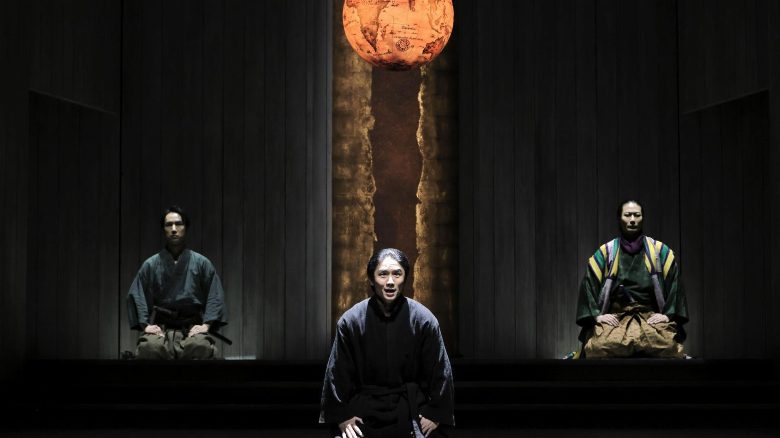
Historical narratives often rely on the grand gestures of conquerors, yet Frois: Sono Shi, Kakinokosazu finds its strength in the quiet, observational power of the written word. Set against a backdrop of shifting power structures in historical Japan, the film explores the life of a figure whose legacy is defined not by the sword, but by the meticulous documentation of a world in flux. Directed by Tamiya Kuriyama, the project leans into a contemplative atmosphere that feels distinct from the typical high-octane period dramas often associated with the Sengoku era. By focusing on the intersection of personal conviction and the necessity of record-keeping, the film offers a unique lens through which to view the cultural collisions of the sixteenth century. It stands out by prioritizing the psychological weight of witnessing history over the spectacle of battle, suggesting that the most enduring impacts are those captured in ink.
For audiences who follow the nuances of Japanese cinema, the casting of Shigeyuki Totsugi provides a compelling anchor for this reflective journey. Known for his ability to convey depth through restrained performances, Totsugi brings a necessary gravity to a role that demands both intellectual curiosity and emotional endurance. The ensemble, including Chukichi Kubo and Shunsuke Kazama, rounds out a cast that seems chosen for their capacity to inhabit the period with authentic subtlety. While Indian cinema audiences are accustomed to sweeping epics that balance massive scales with intimate family dramas, this film offers a different flavor of historical storytelling. It is an ideal watch for viewers who appreciate the slow-burn intensity found in period pieces like those of the late Akira Kurosawa or the more recent character-driven dramas that have been gaining traction in international film festival circuits.
The film appears to position itself as a meditation on the fragility of memory and the responsibility of the historian. In an era where regional industries in India are increasingly experimenting with period settings to explore identity and heritage, this Japanese production serves as a sophisticated companion piece for those interested in how different cultures preserve their past. It avoids the trap of becoming a dry biography, instead opting to frame the protagonist as a vessel for the audience to experience the volatility of his time. Those who enjoy narratives that challenge the viewer to consider the biases of the narrator will likely find this work deeply rewarding. By grounding its narrative in the human element of discovery rather than the politics of the era, the film secures its place as a thoughtful addition to the global historical drama landscape, inviting us to look closer at the voices that often disappear between the lines of textbooks.