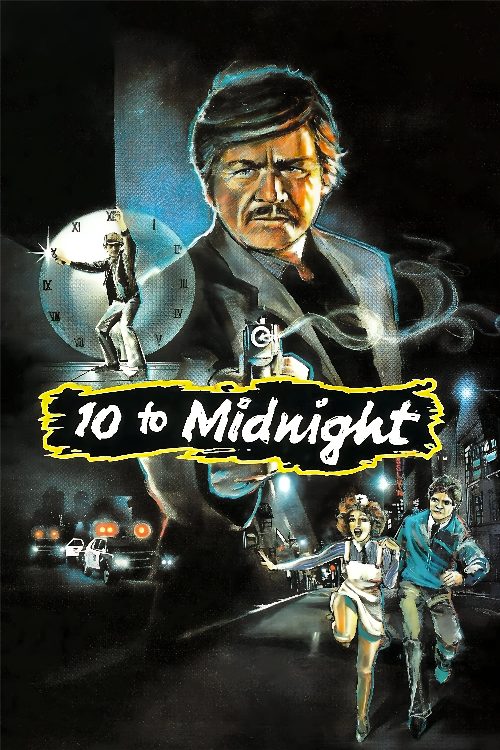
About 10 to Midnight
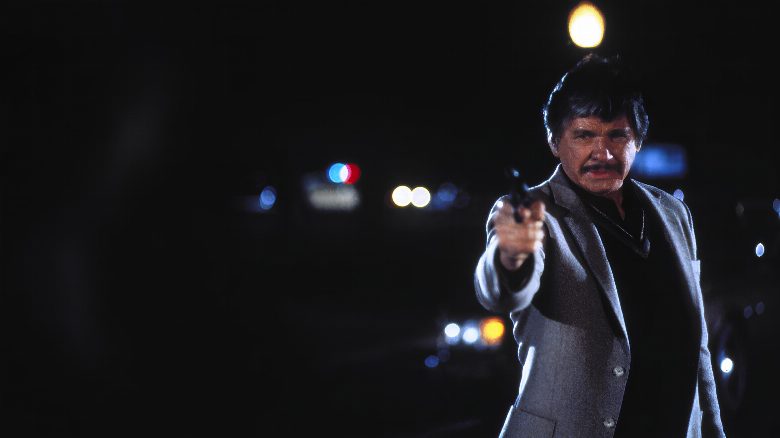
Warren Stacy, an office equipment repairman, begins murdering women after they reject his advances. To minimize the evidence, Stacy always kills while naked, wearing nothing but gloves, and further evades the law with his strong alibis. Veteran detective Leo Kessler is convinced of Stacy's guilt and begins using questionable methods to catch him.
The eighties grindhouse aesthetic often relied on the tension between urban decay and the obsessive pursuit of justice, a dynamic perfectly captured in the grit of 10 to Midnight. While contemporary Indian cinema frequently explores the cat and mouse game between law enforcement and serial offenders through high octane action, this American thriller offers a much leaner and more psychological take on the genre. The film centers on a seasoned investigator who finds his moral compass spinning wildly as he faces an adversary whose chilling modus operandi is designed to leave no trace. It is a stark reminder of the era when crime cinema leaned heavily into the vulnerability of the victim and the unhinged nature of the perpetrator, creating a claustrophobic atmosphere that modern audiences often find missing in today’s more polished procedural dramas.
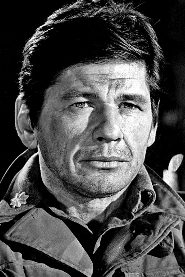
Charles Bronson brings his trademark stoic intensity to the role of Leo Kessler, portraying a man pushed to the brink by a legal system that seems to prioritize the rights of the predator over the safety of the public. Watching him navigate the frustrations of investigative work provides a fascinating contrast to the stylistic flair seen in current Telugu or Tamil investigative thrillers. Where modern regional hits might use elaborate investigative montages or complex forensic puzzles, this film focuses on the raw, often uncomfortable friction between a detective who knows the truth and a system that demands impossible standards of proof. The antagonist, portrayed with a haunting detachment, serves as a terrifying mirror to the detective, embodying the shift toward more predatory and unpredictable screen villains that defined the decade.
Viewers who appreciate the relentless pacing of classic exploitation cinema or those interested in the evolution of the hardboiled detective archetype will find plenty to analyze here. It is an ideal watch for fans of dark, character driven narratives who prefer their suspense served with a side of moral ambiguity. The film stands out not just for its premise, but for its willingness to explore the thin line separating the righteous lawman from the lawless criminal. While it lacks the glitz and grand scale of today’s blockbuster releases, its focus on performance and the dark impulses of the human mind ensures that it remains a compelling entry in the history of the thriller genre. Whether you are a fan of vintage Hollywood or a student of the crime drama format, this piece of eighties cinema remains a potent example of how to build tension without relying on excessive spectacle.
Cast(41)