12.12: The Day(2023)
About 12.12: The Day
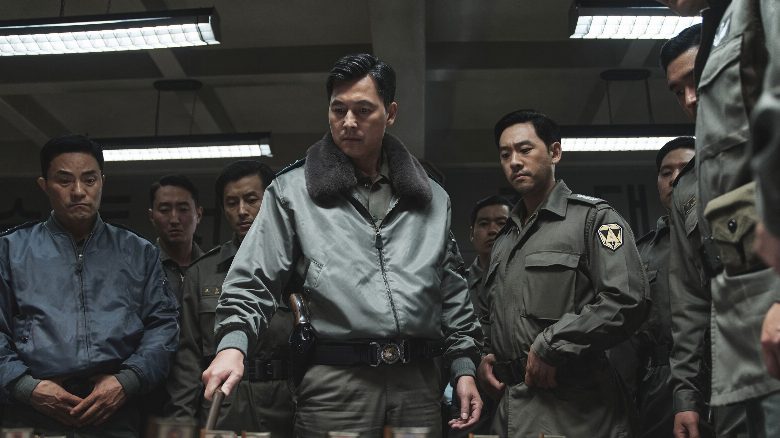
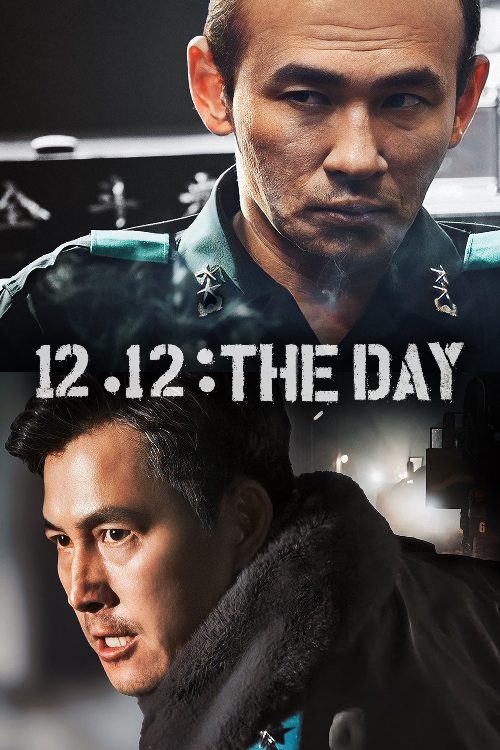
After the assassination of President Park, martial law has been declared. A coup d'état bursts out by Defense Security Commander Chun Doo-gwang and a private band of officers following him. Capital Defense Commander Lee Tae-shin, an obstinate soldier who believes the military should not take political actions, fights against Chun Doo-gwang to stop him. The conflict between the two grows while military leaders are holding their decision and Defense Minister is gone. In the midst of chaos, the spring of Seoul that everyone longed for heads to unexpected direction.
Few cinematic experiences capture the visceral anxiety of a collapsing state quite like 12.12 The Day, a pulse-pounding reconstruction of the military uprising that fundamentally reshaped South Korean governance in the late seventies. While Indian audiences are well-acquainted with high-stakes political dramas that blend historical gravity with intense character clashes, this film offers a distinct flavor of tension rooted in the rigid hierarchy of the Korean military establishment. By focusing on the ideological chasm between a power-hungry security commander and his principled counterpart, the narrative transforms a dry sequence of historical events into a masterclass in psychological warfare. It serves as a stark reminder that the most dangerous battles are often fought not on a battlefield, but within the claustrophobic confines of command centers where every decision carries the weight of a nation’s future.
The film stands out by avoiding the typical tropes of action-heavy war cinema, opting instead for a methodical, almost suffocating portrayal of bureaucracy turned weaponized. For viewers who appreciate the intricate power dynamics found in acclaimed political thrillers, this production is essential viewing. It echoes the intensity of recent global cinema that examines the fragile nature of democracy, much like the sophisticated political sagas that have recently gained traction in the Malayalam and Tamil film industries. The performances are anchored by a cast that understands the necessity of restraint, allowing the mounting dread to speak louder than any explosive set piece. The direction keeps the pacing relentless, ensuring that the audience feels the ticking clock of a night where the course of history was irrevocably altered by a few ambitious men.
Those who enjoy films that demand intellectual engagement alongside emotional investment will find this work particularly rewarding. It invites the audience to consider the moral cost of duty and the devastating consequences when those sworn to protect the state decide to subvert it for personal gain. As South Korean cinema continues to dominate the global conversation with its ability to merge local historical specificity with universal themes of justice and greed, this feature cements its place as a significant entry in the genre. It is a haunting exploration of how quickly stability can disintegrate when the wrong people occupy positions of authority, providing a gripping, sobering experience that lingers long after the credits roll. Whether you are a dedicated student of political history or simply a fan of high-tension drama, the film offers a compelling look at the volatile intersection of ambition and national security.
Cast(75)