4 Horror Tales: Dark Forest(2006)
About 4 Horror Tales: Dark Forest
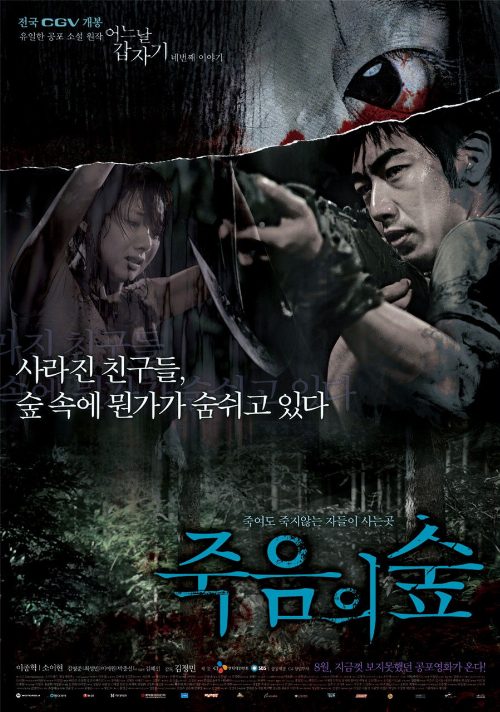
A group of friends on a trek in a dark forest begin to die one by one.
South Korean cinema has long mastered the art of transposing human anxieties into the haunting, claustrophobic silence of the wilderness. Within the landscape of mid-2000s genre filmmaking, 4 Horror Tales: Dark Forest stands as a testament to the period when K-horror was rapidly gaining a global foothold, often favoring psychological tension over simple shock tactics. Unlike the frenetic urban legends that dominated the era, this anthology-style piece opts for a more grounded, albeit sinister, approach to the slasher format. It examines the fragility of camaraderie when faced with an inexplicable, predatory presence, tapping into the primal fear of being lost in a place that feels actively hostile toward human life.
For audiences familiar with the evolution of Indian horror, particularly the experimental shifts seen in recent Malayalam or Tamil thrillers, this film offers a fascinating point of comparison. While Indian regional horror often leans into folklore, divine retribution, or ancestral trauma, this Korean production strips the narrative down to its barest essentials. The setting becomes a character in itself, mirroring the isolation often explored in independent Indian genre cinema where the environment dictates the survival stakes. It is a lean, mean cinematic exercise that prioritizes mood and dread, making it a compelling watch for those who appreciate atmospheric horror that refuses to over-explain its supernatural mechanics.
Viewers who enjoy slow-burning suspense and the classic trope of a group trek gone wrong will find much to dissect here. The film benefits from a cast that captures the transition from casual confidence to frantic desperation with distinct efficiency. Its relevance today lies in its historical position as part of a wave of regional anthology projects that defined the aesthetic of South Korean terror during that decade. For fans of world cinema, it serves as a necessary chapter in understanding how the industry pivoted toward high-concept, low-budget scares. It functions best as an evening watch for those who prefer their horror served with a side of cold, unrelenting tension rather than relying solely on jump scares. By focusing on the psychological erosion of its protagonists, the film manages to maintain a sense of unease that lingers long after the credits roll, cementing its status as an interesting relic of a genre-defining era in East Asian film history.