

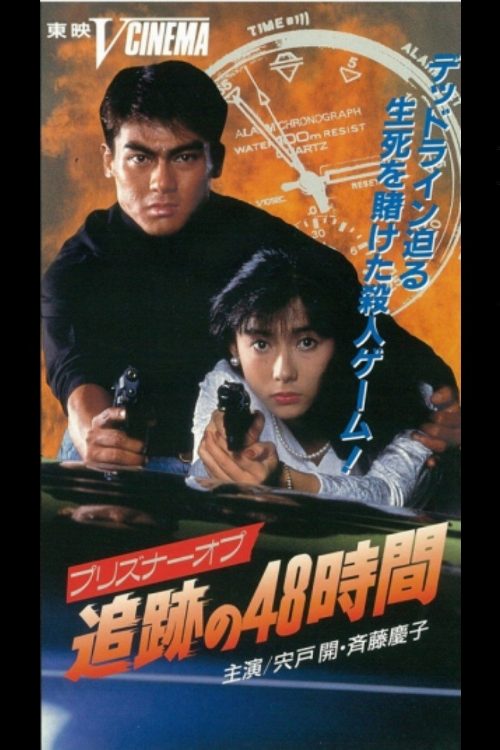
48 Hours of Prisoner Op Tracking(1991)
About 48 Hours of Prisoner Op Tracking
Dirty Hero Takuro Kanzaki appears in a life and death murder game!
The cinematic landscape of early nineties Japan often favored gritty, high-stakes narratives that pushed the boundaries of traditional suspense, and 48 Hours of Prisoner Op Tracking stands as a quintessential artifact of that era. Director Masatake Matsuo crafts a claustrophobic atmosphere centered on a lethal contest that forces its participants into a desperate struggle for survival. By stripping away the comfort of conventional action tropes, the film places its lead character, Takuro Kanzaki, into a psychological crucible where every decision carries the weight of mortality. It is a stark departure from more polished genre fare, opting instead for a raw, uncompromising look at human desperation when pushed to the absolute brink.
For fans of global cinema who appreciate the lean, mean thrillers that emerged from the Japanese industry during this period, the film serves as a compelling bridge between traditional crime dramas and the more experimental survival horror themes that would later become a staple of international cult film culture. The presence of performers like Kai Shishido and the seasoned Hideo Murota brings an essential gravitas to the production, anchoring the chaotic premise with performances that feel grounded even amidst the escalating tension. While the title suggests a fast-paced procedural, the narrative focus remains firmly on the internal shifts of the characters as they navigate the treacherous game laid out before them. It is an ideal watch for viewers who enjoy the visceral intensity of nineties cult classics and are intrigued by the darker edges of the Japanese thriller canon.
The film successfully captures a specific aesthetic of the time, characterized by low-light cinematography and a sense of impending dread that defines the viewing experience. Rather than relying on spectacle, the direction emphasizes the isolation of the individuals caught in this deadly arrangement, making the audience feel the same suffocating pressure as the protagonists. As the clock ticks down, the movie challenges the viewer to contemplate the moral compromises necessary to endure such a hostile environment. Whether one is a seasoned aficionado of Japanese genre cinema or a newcomer exploring the depth of international thrillers, this piece of work remains a fascinating study in character-driven suspense. It positions itself as a gritty, high-tension experience that demands full attention from start to finish, proving that the most effective thrillers are often those that force their characters to confront their own survival instincts head-on.



