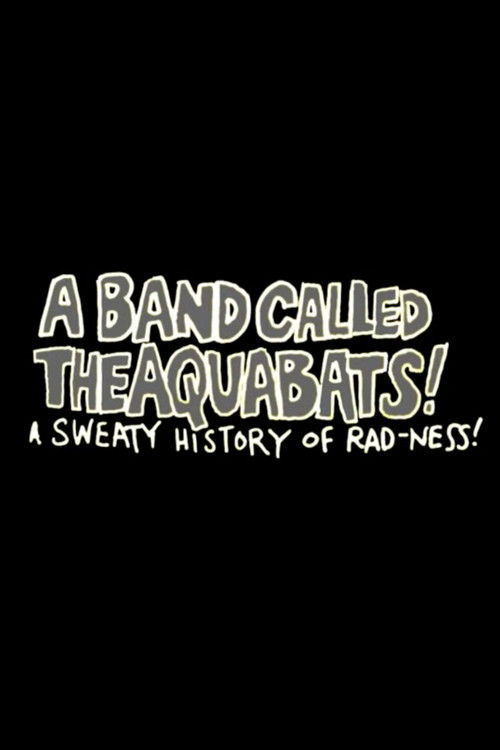
A Band Called The Aquabats!: A Sweaty History of Rad-ness!(2003)
About A Band Called The Aquabats!: A Sweaty History of Rad-ness!
A documentary featurette on the band.
Few musical acts have managed to bridge the gap between Saturday morning television aesthetics and the high-energy chaos of the ska-punk scene quite like The Aquabats. This 2003 documentary, A Band Called The Aquabats!: A Sweaty History of Rad-ness!, serves as a nostalgic time capsule that captures the group during a formative period of their existence. While audiences in India might be more accustomed to the high-octane musical numbers of contemporary Telugu or Tamil cinema, there is a distinct, universal appeal in watching a group of musicians treat their craft with a blend of absurd humor and genuine artistic dedication. The film operates less as a formal biography and more as an invitation to witness the collective imagination of Christian Jacobs and Chad Larson, whose commitment to their costumed personas redefined the parameters of independent band culture at the turn of the millennium.
The documentary stands out for its raw, unpolished energy, offering a glimpse into the sweaty, crowded clubs that forged the band's identity before they became icons of children’s programming. In an era where global streaming platforms have made niche subcultures easily accessible, this film feels like a precursor to the modern obsession with fandom and world-building. It invites viewers into a chaotic universe where superhero masks and brass instruments collide, showcasing a brand of performance art that prioritizes fun over the polished, often sterile presentation of mainstream acts. For fans of music documentaries that eschew traditional talking-head formats in favor of documenting the messy reality of touring, this project provides a refreshing look at how a group can sustain itself through sheer force of personality.
This piece is essential viewing for those interested in the history of alternative music scenes or anyone curious about how a band transforms into a cultural phenomenon. It does not require a deep knowledge of the specific ska-punk movement to appreciate the camaraderie and creative friction on display. By focusing on the relentless work ethic required to maintain a band that refuses to take itself seriously, the documentary highlights a unique intersection of comedy and music. It remains a fascinating artifact for cinephiles who appreciate how independent filmmakers capture the spirit of an era, proving that the most compelling stories often come from those who dare to play by their own eccentric rules. Whether you are a lifelong fan of the band or a newcomer curious about their origins, the film offers an energetic, unfiltered look at a group that dared to be different.