
About A Pianista
The haunting resonance of a single melody often serves as the perfect vessel for psychological unraveling, a trope that Nuno Bernardo masterfully maneuvers in his latest feature film, A Pianista. Departing from the high-octane action sequences that currently dominate global box offices, this Portuguese production opts for a slow-burn descent into terror, grounding its supernatural tension within the intimate, stifling confines of a musician’s private world. By centering the narrative on the obsessive craft of a virtuoso, the film explores how artistic perfectionism can curdle into something far more sinister, bridging the gap between a character-driven drama and a visceral horror experience. It is a refreshing departure from the jump-scare heavy landscape of modern genre cinema, favoring atmospheric dread and a claustrophobic mise-en-scene that keeps the audience guessing about the nature of its central threat.
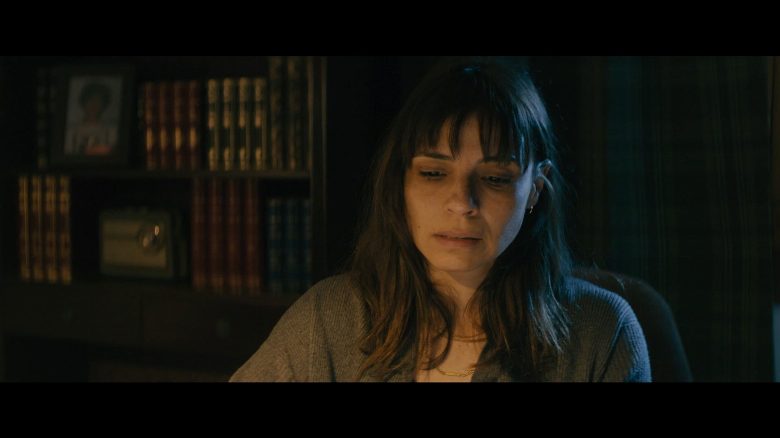
In the context of contemporary international cinema, A Pianista reflects a growing appetite for European psychological thrillers that prioritize mood over spectacle. While industries like the Telugu or Hindi film sectors are currently leaning into massive scale and mythological world-building, this Portuguese entry serves as a stark reminder of the power of minimalism. The casting of Teresa Tavares is particularly inspired, as she brings a brittle, intense vulnerability to the lead role that anchors the more abstract elements of the plot. Bernardo, known for his keen eye for narrative structure, constructs a labyrinthine experience where the line between psychological breakdown and external malevolence remains purposefully blurred. The film demands a viewer who appreciates the nuance of silence and the weight of subtext, making it a compelling watch for fans of elevated horror who value thematic depth alongside their chills.
This film is positioned as a sophisticated addition to the horror genre, specifically tailored for those who prefer cerebral puzzles over formulaic slasher tropes. It effectively uses the isolation of its protagonist to heighten the stakes, suggesting that the most terrifying demons are often those we cultivate within our own creative endeavors. By stripping away the distractions of sprawling ensembles, the director forces the audience to confront the internal turmoil of his characters, creating a sense of intimacy that is rare in modern genre storytelling. Whether one is a devotee of the works of Ari Aster or simply a fan of intense character studies, A Pianista offers a unique, chilling exploration of identity that lingers long after the final note fades. It is a bold, polished piece of work that solidifies the current creative vitality of the Portuguese film industry on the world stage.