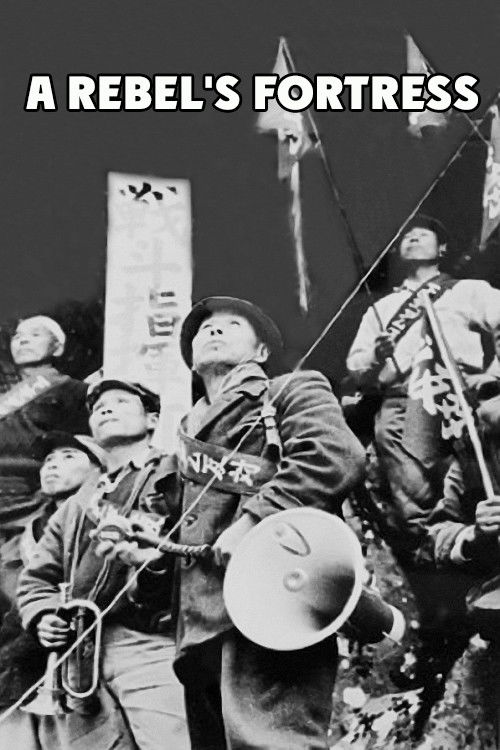
A Rebel's Fortress(1964)
About A Rebel's Fortress
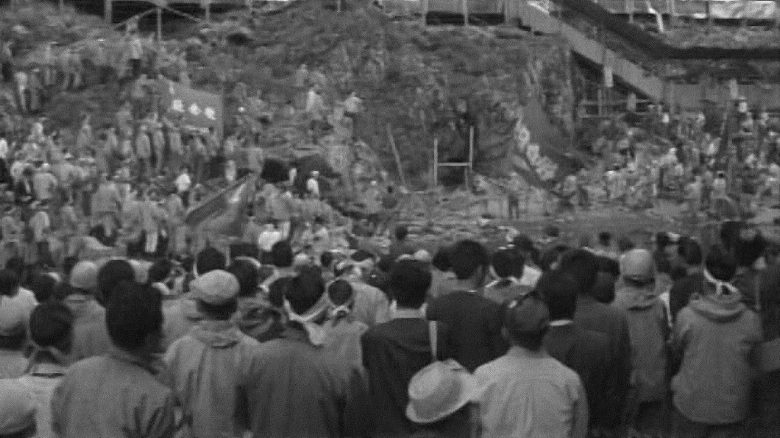
A chronicle of the eight-year battle against the construction of the Matsubara dam at Ogunimachi Shimouke, Asogun, district of Kumamoto. Tomoyuki Murahara constructs the “beehive fortress,” the point of reference for the protest movement opposing the decision to expropriate land.
Cinematic records of grassroots resistance often struggle to capture the raw, visceral intensity of a community fighting for its literal foundation, yet A Rebels Fortress stands as a monumental exception to this rule. Released in 1964, this Japanese documentary transcends the typical observational style of its era by embedding the viewer directly within the eight-year struggle against the Matsubara dam project. Director Tomoyuki Murahara does not merely document a protest; he meticulously maps the psychological and physical architecture of defiance, centering the narrative on the construction of the beehive fortress. This structure, erected by the residents of Ogunimachi Shimouke, serves as both a strategic stronghold and a symbolic heart of the movement, representing the collective refusal of the Kumamoto district citizens to surrender their ancestral lands to state-mandated expropriation.
For those who follow global cinema, particularly the evolution of protest narratives in Asian film, this work occupies a fascinating space. It functions as a precursor to the intense socio-political documentaries that would later define the global protest movements of the late sixties. While contemporary audiences might be accustomed to the high-octane political thrillers emerging from the modern Indian film industries, where land displacement is a recurring theme in films like those exploring the intersection of development and tribal rights, A Rebels Fortress offers a more patient and grounded perspective. It eschews the dramatic flair of commercial cinema for a steady, unwavering gaze at the mechanics of civil disobedience. The narration by Musei Tokugawa adds a layer of gravitas that anchors the film, lending an authoritative yet deeply human cadence to the unfolding events.
This film is essential viewing for students of history and documentary enthusiasts who appreciate the power of long-form observational storytelling. It is not a project that seeks to entertain through artifice but rather one that demands engagement with the ethical complexities of progress and the sanctity of home. Because it captures a specific moment in Japanese history, it provides a unique window into the post-war era when rural communities were increasingly pitted against rapid industrial expansion. By focusing on the daily lives and the persistent, quiet bravery of the villagers, Murahara creates a timeless study of human tenacity. It remains a poignant, stark, and deeply influential piece of cinema that serves as a testament to the idea that even the most formidable technological and bureaucratic forces can be challenged when a community stands firmly united behind a single, shared purpose.