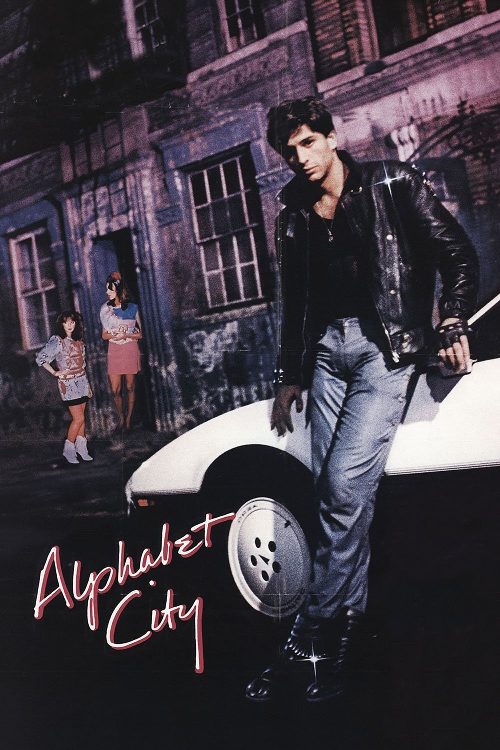
About Alphabet City
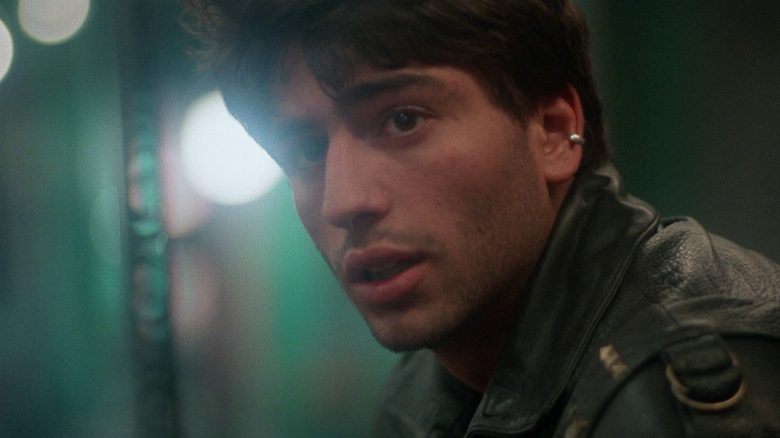
A New York City drug dealer decides to get out of the business, but has to flee from mobsters.
Set against the grit and neon-soaked decay of mid-eighties Manhattan, Alphabet City serves as a stylistic time capsule that captures the dangerous allure of a lost urban era. While contemporary Indian cinema often leans into grand, sweeping narratives of redemption, this film offers a starkly different, claustrophobic portrait of a low-level operator attempting to sever his ties with the criminal underworld. Director Amos Poe utilizes the texture of the city itself as a primary character, favoring moody lighting and an atmospheric, synth-heavy aesthetic that feels surprisingly resonant with the modern trend of stylized neo-noir thrillers currently gaining traction in international markets. It is an exercise in tension that eschews the traditional hero archetype, focusing instead on the frantic, desperate energy of a man trapped in a labyrinth of his own making.
For viewers who appreciate the raw, street-level realism found in cult classics or the gritty crime dramas of the era, this feature provides a fascinating study in minimalist storytelling. Unlike the polished, high-octane action sequences that dominate today’s global box office, the film relies on a slow-burning sense of dread and the claustrophobia of its setting. It is essentially a portrait of isolation, stripping away the glamour often associated with organized crime to reveal the frantic, lonely reality of a life lived on the fringes. Fans of independent American cinema who are interested in how the low-budget aesthetics of the early eighties paved the way for modern indie sensibilities will find the visual language particularly compelling. It represents a specific moment when filmmakers were obsessed with the nocturnal heartbeat of the metropolitan landscape, transforming the derelict streets of New York into a haunting, dreamlike stage.
The performances, particularly those of Martine Malle and Cintia Cruz, ground the stylized visuals in a sense of palpable stakes. By focusing on the internal psychological disintegration of the protagonist rather than relying on heavy exposition, the narrative creates a sense of momentum that draws the audience into its dark, rain-slicked world. It stands as an essential viewing experience for those who track the evolution of the crime genre, bridging the gap between underground experimental roots and the mainstream obsession with the criminal lifestyle. Whether one is a devotee of classic American cinema or a student of how atmosphere can define a movie, this project remains a potent reminder of how effectively a filmmaker can build a world using only the shadows and the sound of the city streets.
Cast(22)