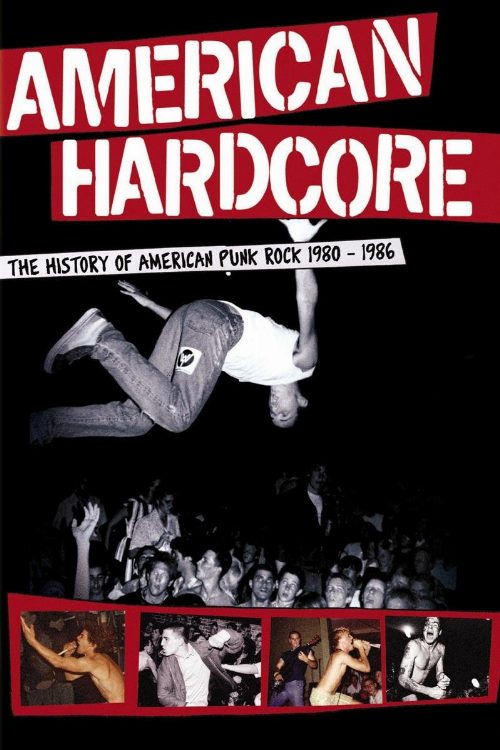
American Hardcore(2006)
About American Hardcore
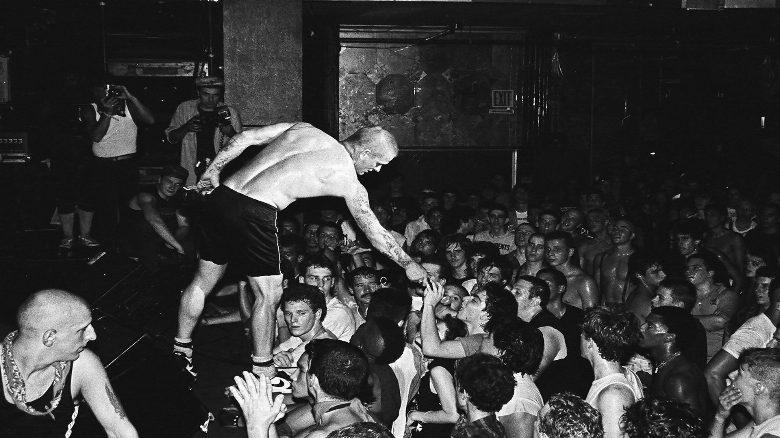
Inspired by Steven Blush's book "American Hardcore: A tribal history" Paul Rachman's feature documentary debut is a chronicle of the underground hardcore punk years from 1979 to 1986. Interviews and rare live footage from artists such as Black Flag, Bad Brains, Minor Threat, SS Decontrol and the Dead Kennedys.
Paul Rachman captures a volatile era in music history where the ethos of do it yourself culture collided with a desperate need for sonic rebellion. This documentary functions as a visceral time capsule, transporting viewers back to the late seventies and mid eighties when the hardcore punk movement emerged as a fierce, localized reaction against the commercialized excess of mainstream rock. While audiences familiar with the vibrant evolution of regional movements in Indian cinema might appreciate the raw, independent spirit behind these stories, this film serves as a global touchstone for anyone interested in how marginalized subcultures build lasting legacies through sheer tenacity and aggressive artistic expression. By eschewing polished production for the grit of archival performance clips, the film effectively conveys the sweat and intensity that defined basement shows and cramped club circuits.
The narrative structure relies heavily on the testimony of key figures like Henry Rollins and Ian MacKaye, who articulate the ideological friction that fueled the scene. For fans of music journalism and historical documentaries, the value here lies in the collection of rare, jittery live footage that showcases bands like Bad Brains and Dead Kennedys in their prime. Unlike contemporary documentaries that often rely on slick reenactments, this project remains firmly rooted in the lived experience of its subjects, providing a candid look at the tribal nature of the hardcore community. It is a vital document for those who value the origin stories of counterculture movements, offering a clear window into how a fragmented group of outsiders managed to influence the trajectory of modern guitar music.
The film is essential viewing for enthusiasts of music history who want to understand how a high energy, short lived subgenre managed to leave such a profound imprint on global youth culture. It avoids the temptation to romanticize the chaos, instead presenting a straightforward account of the artistic and social pressures that forced these musicians to forge their own paths. Viewers who enjoy films that strip away the glamour of the industry to reveal the frantic, often messy reality of creative creation will find much to admire here. By positioning the hardcore movement within its proper socio-political context, the director successfully illustrates that this was never just about the noise, but about a fundamental shift in how independent artists communicate with their audience and define their own identity against the backdrop of an indifferent mainstream world.