Anna and the Wolves(1973)
About Anna and the Wolves
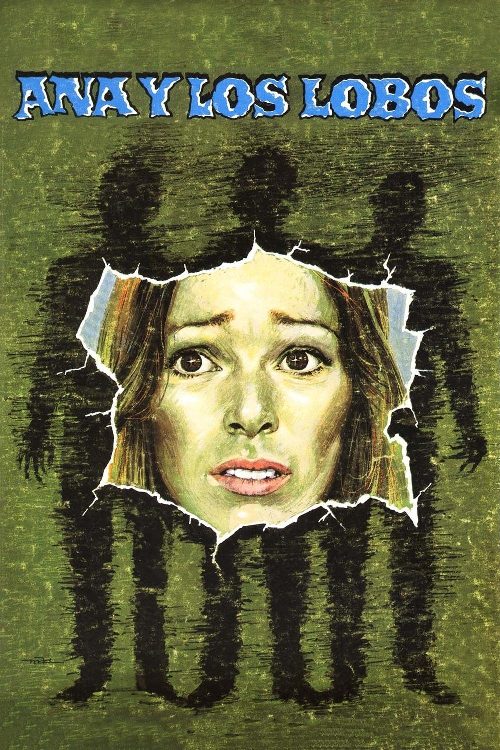
The young but traveled Ana arrives in a manor in the countryside of Spain to work as nanny of three girls and finds a dysfunctional family.
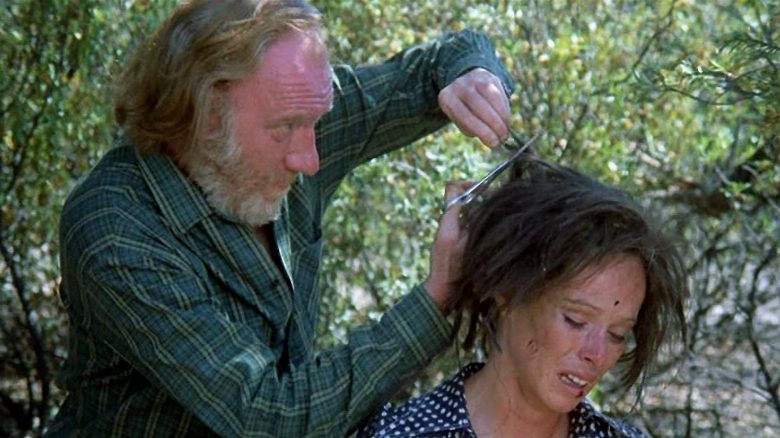
Carlos Saura remains a towering figure in European cinema, and his 1973 masterpiece Anna and the Wolves serves as a quintessential example of how internal domestic tension can mirror a nation in transition. The narrative follows a foreign governess who accepts a position at a secluded Spanish estate, only to find herself ensnared in the peculiar psychological orbit of a deeply fractured household. While the premise may sound like a traditional gothic thriller, the film operates more as a sharp, allegorical satire. Saura uses the arrival of an outsider to expose the suffocating repression and archaic power dynamics held by three brothers, each representing a different facet of a society struggling to reconcile its past with an uncertain future.
For enthusiasts of Indian parallel cinema or those who admire the works of directors like Satyajit Ray or Adoor Gopalakrishnan, this film will feel remarkably familiar in its thematic density. Just as regional masters in India often used the domestic space as a microcosm for caste, class, or political unrest, Saura utilizes the manor as a stage for his biting commentary on the Francoist era. The performance of Geraldine Chaplin is particularly noteworthy, as she navigates the transition from a naive visitor to a catalyst for chaos with subtle precision. The tension is not built through jump scares but through the mounting weight of unspoken traumas and the bizarre, ritualistic behaviors of the men who surround her.
This is a quintessential viewing experience for cinephiles who appreciate slow-burn dramas where every prop, gesture, and silence carries the weight of a larger sociopolitical argument. It avoids the broad strokes of genre entertainment, favoring a clinical, almost surreal observation of human neurosis. If you enjoy films that demand active engagement and reward you with layers of meaning, this Spanish classic is an essential addition to your watchlist. It stands as a testament to the power of the director to dismantle social structures through the lens of a single, claustrophobic setting. Whether you are a student of European history or simply a fan of high-caliber character studies, the film offers a haunting look at how the past refuses to stay buried when challenged by the presence of someone who refuses to conform to its rigid, outdated expectations.