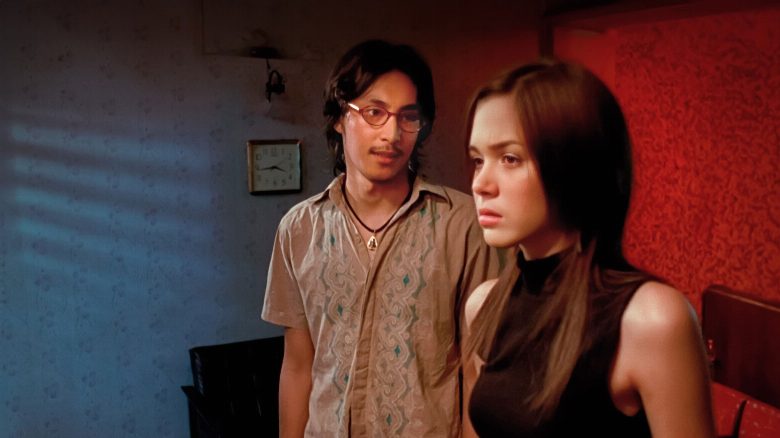

About Art of the Devil
When Boom suffers abandonment and abuse by Prathan, she decides to use black magic to take revenge on him and his family.
The landscape of Southeast Asian horror shifted significantly in the early two thousands, and Art of the Devil remains a foundational pillar of that visceral era. Unlike the atmospheric ghost stories prevalent in Japanese or Korean cinema at the time, this Thai production leans heavily into the tactile, grimy, and often disturbing nature of occult retribution. The narrative centers on a woman driven to extreme measures after being discarded and mistreated by a wealthy patriarch. Rather than seeking traditional justice, she turns to the dark arts, weaving a complex web of suffering that ensnares the man who wronged her along with his entire unsuspecting household. It is a grim exploration of how betrayal acts as a catalyst for ancient, chaotic forces that do not discriminate between the guilty and the innocent.
This film is essential viewing for enthusiasts of the global extreme horror movement who appreciate how regional industries use supernatural tropes to mirror societal tensions. In the context of Thai cinema, the movie occupies a space where traditional folklore meets modern exploitation aesthetics, resulting in a viewing experience that is as unsettling as it is culturally distinct. While Indian audiences are accustomed to tales of karmic retribution or supernatural vengeance, this specific work stands apart for its unflinching commitment to showing the physical toll of dark rituals. It functions as a cautionary fable about the corrosive nature of hatred, proving that the tools used to destroy an enemy often end up consuming the practitioner as well.
Viewers who enjoy the psychological intensity found in Malayalam psychological thrillers or the darker stylistic choices of contemporary Hindi horror will likely find themselves drawn to the cold, calculated pacing here. The performances capture the fraying nerves of a family trapped in a nightmare of their own making, grounding the more fantastical elements in a palpable sense of dread. By avoiding the typical reliance on jump scares, the director leans into a slow-burn discomfort that lingers long after the credits roll. It is a quintessential example of how low-budget ingenuity can create a lasting legacy within the genre, cementing its status as a cult classic for those who prefer their cinema with a sharp, jagged edge. Whether you are a scholar of international horror or simply a fan of stories where the past refuses to stay buried, this film serves as a potent reminder of the terrifying power of human malice.
Cast(24)