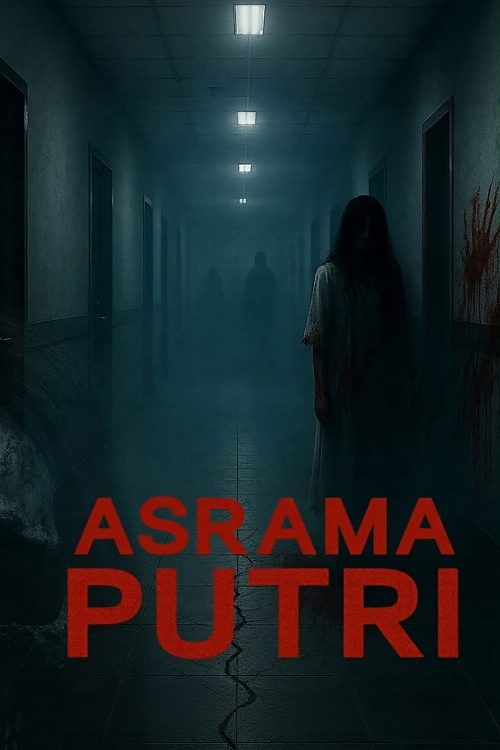
About Asrama Putri
Mia's arrival as a new lecturer coincides with a surge in cases of possession on campus, which has a serious impact on the female dormitory students, especially Loly. Amidst the chaos, the campus is also rocked by illegal prostitution practices and the terror of a female ghost named Sally who always brings death. Mia and Gwen's investigation uncovers Sally's past through a diary, including the story of her love that turned into hatred for a lecturer named Lazuardi.
Indonesian horror cinema is currently experiencing a renaissance of sorts, masterfully blending supernatural folklore with the harsh realities of modern societal pressures. Asrama Putri enters this landscape as a tense addition to the genre, positioning itself as more than just a typical jump-scare experience. By centering its narrative on the high-stakes environment of a female dormitory, the film taps into a long-standing tradition of institutional haunting stories that resonate deeply with local audiences. The premise follows a fresh faculty member whose entry into the academic world happens simultaneously with a series of unsettling possession cases that plague the students. Unlike standard slashers, the film layers its supernatural threats with a grounded look at the darker side of campus life, including illicit activities that transform a place of learning into a site of profound vulnerability.
The ensemble cast, featuring Albrillio Imanuel and Dea Annisa, brings a necessary gravity to the unfolding investigation. As the mystery deepens, the focus shifts toward the tragic origins of a restless spirit known as Sally, whose vengeful presence is tied to a complicated history involving a member of the teaching staff. This narrative choice elevates the film from a mere ghost story into a critique of power dynamics and historical trauma. For fans of Southeast Asian horror who appreciate atmospheric dread over mindless gore, this production offers a compelling puzzle. It explores how past sins inevitably manifest in the present, using the claustrophobic setting of the dormitory to heighten the tension between the living and the spectral figures that haunt the halls.
Viewers who enjoy films that balance character-driven drama with chilling investigative elements will likely find this project particularly engaging. The director navigates the thin line between psychological horror and traditional supernatural terror, ensuring that the stakes remain personal for the lead characters. As the story unfolds, the connection between the diary entries discovered by the protagonists and the current wave of violence provides a roadmap through the film's dark secrets. It serves as a reminder of why the Indonesian film industry continues to be a powerhouse in the global horror market, consistently delivering stories that are as intellectually stimulating as they are frightening. Whether you are a devotee of regional cinema or a newcomer looking for a fresh perspective on the haunted house subgenre, this entry promises to be one of the most discussed titles of the year.