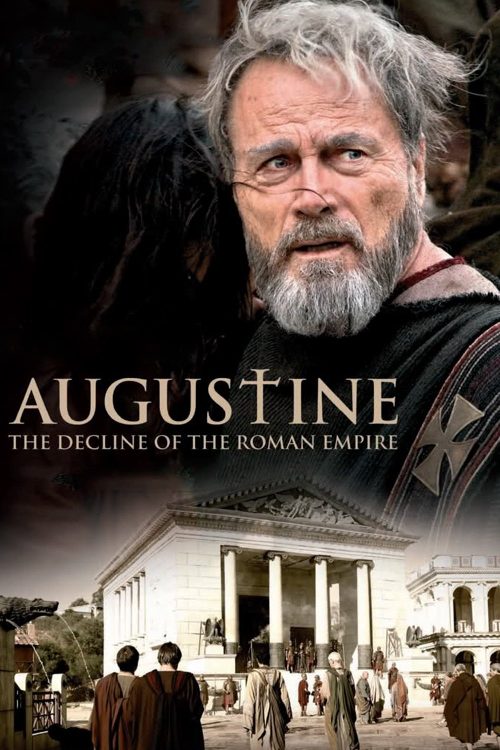
Augustine: The Decline of the Roman Empire(2010)
About Augustine: The Decline of the Roman Empire
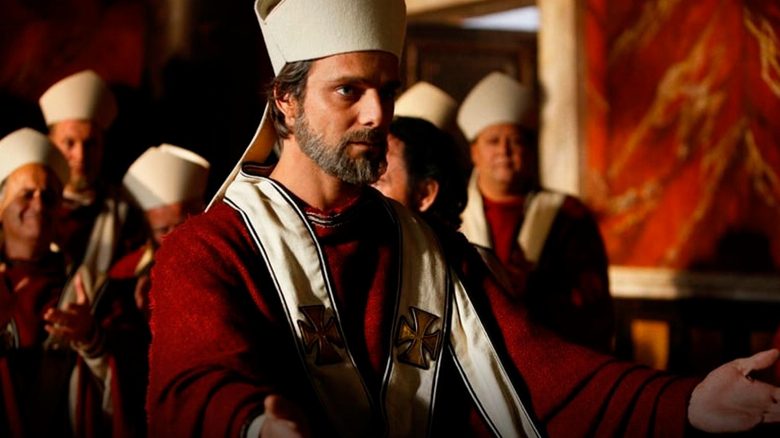
Augustine is a two-part, Italian-made mini-series about the influential theologian and church father Augustine of Hippo. The piece tells the story of his life from a teenager to his death at the age of 69.Much of the content for the scenes of him as a young and middle-aged man come from his Confessions, which is probably the earliest extant autobiography.
Stepping away from the high-octane spectacles currently dominating global cinema, the 2010 production Augustine: The Decline of the Roman Empire offers a reflective, character-driven examination of one of history’s most complex intellectual figures. While contemporary audiences in markets like India are often accustomed to grand historical epics or mythological dramas that prioritize scale and action, this Italian-led project carves out a different path. It leans into the interiority of its protagonist, tracing his transformation from a restless youth grappling with worldly desires to a foundational theologian whose writings would eventually anchor Western philosophical thought. By focusing on the personal evolution of Augustine of Hippo, the film captures the tension between individual identity and the crumbling political structures of his era, a theme that resonates surprisingly well with modern viewers interested in the intersection of personal faith and societal collapse.
The film relies heavily on the raw vulnerability found in ancient autobiographical texts, translating the philosophical weight of its source material into a visual medium that avoids the pitfalls of dry academic adaptation. Alessandro Preziosi delivers a performance that anchors the narrative, moving beyond mere period-piece tropes to inhabit a man caught between the fading grandeur of Rome and the rising influence of Christian doctrine. For those who appreciate the methodical storytelling seen in acclaimed regional dramas or biographical films that prioritize deep character arcs over rapid pacing, this piece serves as a compelling study of human change. It is not merely a biography of a religious leader, but a portrait of a mind in flux, making it a thoughtful choice for viewers who enjoy slow-burn narratives that prioritize intellectual and spiritual conflict.
Given the current appetite for sophisticated historical storytelling in the streaming era, this production serves as a testament to the enduring power of intimate character portraits. It stands out by refusing to simplify the contradictions of its subject, instead choosing to showcase the struggle behind the canonization of a Saint. Whether you are a fan of European cinema or simply someone looking for a narrative that demands engagement with its themes of redemption and legacy, the film remains an essential viewing experience. It provides a unique lens through which to view the end of an imperial age, grounded in the life of a man whose personal journey remains as relevant today as it was centuries ago. Those seeking a departure from formulaic blockbusters will find the depth and nuance of this portrayal both refreshing and intellectually satisfying.
Cast(29)