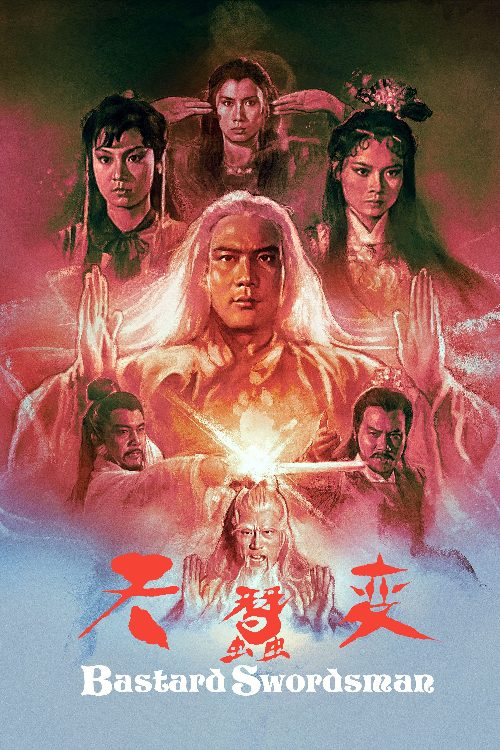
About Bastard Swordsman
Yun Fei Yang is the viciously bullied orphan who takes on the unpleasant tasks at a formidable kung-fu school. Constantly mocked by the other students of the school, Yen counts as his only friend the daughter of the resident master. Any internal wrangling between the various members is put to one side when a swordsman from a rival clan reminds the master of the duel he must take part in once a decade. Unfortunately the defending clan chief is well aware that his rival is more powerful than himself. The expected defeat is further complicated when a wandering swordsman arrives on the scene and joins himself to the injured party, immediately adding to Yen's woes.
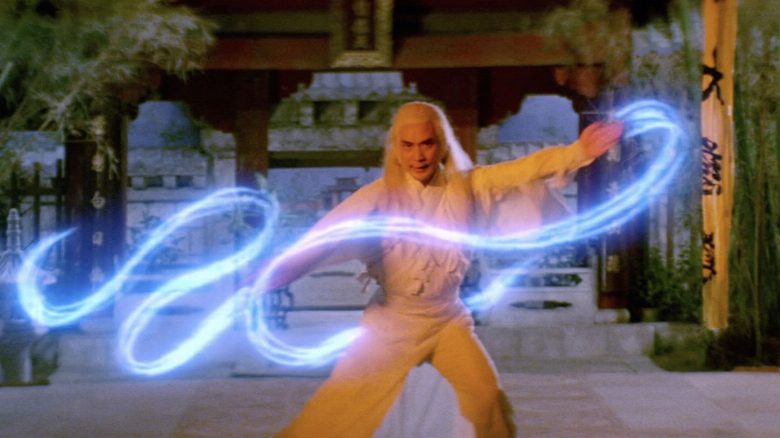
The golden age of Hong Kong cinema remains a treasure trove of stylistic excess and kinetic energy, and Bastard Swordsman stands as a quintessential artifact of the 1983 wuxia landscape. Directed by the legendary Lu Chun-ku, this production captures the high-stakes atmosphere of the Shaw Brothers era, where elaborate wirework and intense rivalries defined the genre. The narrative centers on a low-ranking student who navigates the cutthroat hierarchy of a prestigious martial arts academy while enduring constant humiliation from his peers. This underdog archetype is elevated by the film’s focus on the cyclical nature of power and the ancient debts that demand blood from the masters of the craft. It is a quintessential piece of eighties genre filmmaking that prioritizes visual flair and rapid-fire choreography over slow-burn introspection.
For viewers who appreciate the evolution of Asian action cinema, this film serves as a vital bridge between traditional Shaw Brothers aesthetics and the more frantic, supernatural-leaning martial arts films that would soon dominate the market. Norman Tsui Siu-Keung delivers a performance that anchors the chaos, providing a grounded presence amidst the escalating tensions of warring clans. The plot relies on the classic pressure of a looming, once-a-decade duel, a setup that forces reluctant heroes to emerge from the shadows of their mentors. The film excels at establishing a claustrophobic sense of dread within the school walls, where hidden agendas and mysterious wandering warriors threaten to dismantle the existing power structure. It is a masterclass in building tension through the promise of inevitable violence.
Modern audiences who enjoy the grit of early eighties martial arts will find this film particularly compelling for its commitment to practical effects and authentic stunt work. It represents a specific moment in international film history where the choreography was beginning to embrace more fantastical elements, yet still felt tethered to the physical prowess of its leads. Fans of genre classics will recognize the influence of such storytelling on later global hits, making it a must-watch for those interested in the lineage of the sword-fighting epic. While it captures the tropes of the period, the film remains a standout due to its relentless pace and the tragic weight carried by its protagonist. Whether you are a scholar of Hong Kong history or simply looking for a high-octane dive into classic action, this title offers an uncompromising look at a time when the sword was the ultimate arbiter of justice.
Cast(23)