Behind Closed Doors(1988)
About Behind Closed Doors
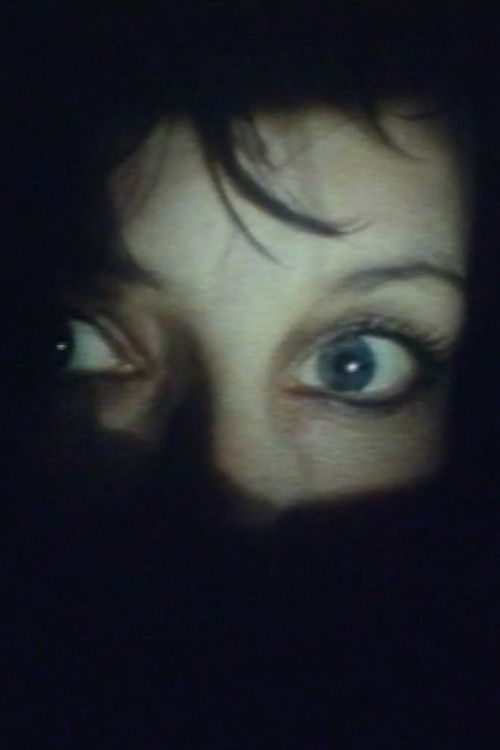
An elegy on the death of the film-maker's mother. Fragments from dreams, nightmares and memories combine with natural sound and landscape in this short film poem "a myriad of instances in transit" M. Maziere, Independent Media. Through various texts and spoken diaries oblique reference is made to the persistence of the imagination; the dark, wild wood of Dante's Inferno with Paolo and Francescs buffeted on an infernal breeze, whilst an iconoclasic re-depiction of a Renaissance painting of the deposition by Raphael, describes an age in which the reality of death and grief were less hidden.
The 1988 experimental piece Behind Closed Doors stands as a haunting testament to how personal bereavement can be transformed into a tapestry of visual poetry. Moving away from the conventional narrative structures that dominate mainstream global cinema, this project functions as an introspective journey through the subconscious mind of its creator. By weaving together the fragmented remnants of dreams and the visceral weight of sudden loss, the film challenges the viewer to engage with grief not as a linear process, but as a chaotic, sensory experience. It draws heavily on literary and classical art motifs, grounding its abstract exploration of death in the visceral history of human suffering, much like the way contemporary arthouse directors in the Indian independent circuit often utilize local folklore or mythological echoes to anchor their own experimental works.
For audiences accustomed to the structured storytelling found in the current landscape of Hindi or Malayalam cinema, Behind Closed Doors offers an entirely different texture. It eschews dialogue-heavy scripts for a focus on environmental soundscapes and evocative imagery, prioritizing the atmosphere of memory over the clarity of plot. The inclusion of figures such as Derek Jarman adds a layer of intellectual rigor to the production, positioning it within a specific lineage of avant-garde filmmaking that prioritizes the artist’s raw, unfiltered perspective. This is a work designed for the patient cinephile, someone who appreciates the intersection of classic literature—such as the evocative imagery of Dante—with the intimate, diary-like reflections of a mourning filmmaker.
While modern audiences might be more familiar with the high-octane emotional beats of commercial Telugu or Tamil blockbusters, there is a profound resonance in revisiting works that prioritize the internal landscape. The film serves as a bridge to a bygone era of independent expression, demonstrating that the most impactful stories are often those that refuse to be easily categorized or explained. By juxtaposing Renaissance art with the ephemeral nature of film, Behind Closed Doors remains a fascinating study of how we process the finality of death. It is an essential watch for those interested in the history of experimental media and anyone seeking a meditative, non-traditional look at the persistence of the human imagination when confronted with the silence of a life once lived.
Cast(14)