About Bela Donna
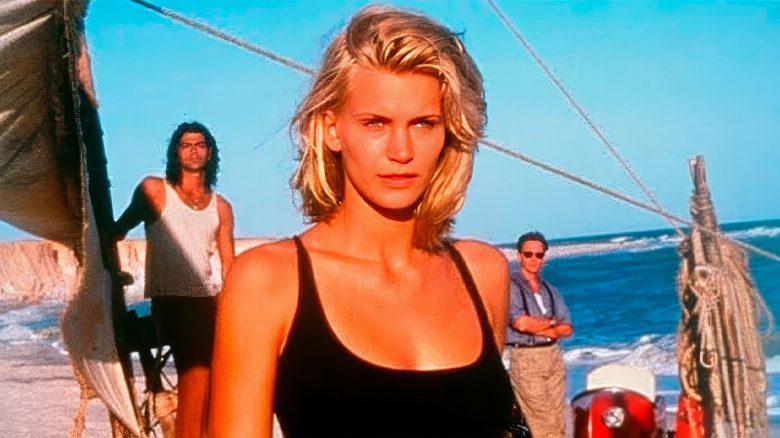
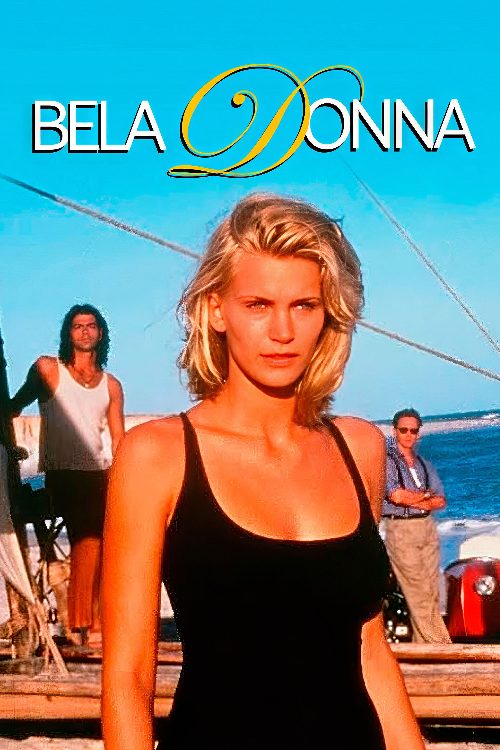
American couple move to the State of Ceará, Brazil, in the 1930s. The husband is looking for oil. His beautiful wife, Donna, soon falls in love with a rude but charming fisherman. The forbidden romance may destroy her marriage and upset the morals of the small village where they live.
Set against the sun-drenched backdrop of 1930s Brazil, Bela Donna emerges as a compelling study of cultural displacement and the volatile nature of human desire. While audiences of contemporary Indian cinema might be accustomed to the grand emotional sweep of period dramas like Padmaavat or the rustic intensity found in recent Malayalam hits, this Portuguese production offers a distinctively atmospheric shift. Director Fabio Barreto leans into the isolation of a remote coastal village in Ceara, turning the environment itself into a character that stifles the protagonists while simultaneously fueling their hidden passions. It is a film that captures the friction between imported modern expectations and the deep-rooted, unyielding traditions of a secluded community, a theme that resonates strongly with the narrative traditions seen in regional Indian storytelling.
The story centers on a young American couple whose arrival in a provincial settlement triggers a sequence of personal and social upheaval. The husband, driven by the industrial pursuit of oil, serves as a catalyst for the friction that ultimately isolates his wife, Donna. Her unexpected connection with a rough-hewn local fisherman creates a classic, high-stakes romantic conflict that challenges the rigid social boundaries of the era. For viewers who appreciate international dramas that prioritize mood and character psychology over rapid-fire pacing, this film provides a slow-burn experience. It avoids the glossy polish of modern blockbusters, opting instead for a gritty, authentic depiction of a world defined by its harsh climate and archaic moral codes, making it a fascinating watch for those interested in the evolution of romantic drama as a global language.
Florinda Bolkan anchors the film with a performance that conveys the internal struggle of a woman caught between societal duty and a visceral, forbidden attraction. The production benefits significantly from the directorial vision of Barreto, who was well-regarded for his ability to translate literary sensibilities into visual narratives. By focusing on the tension between the foreign and the local, the film invites the audience to consider how environment shapes our capacity for devotion and transgression. It is an ideal recommendation for fans of sophisticated character studies who enjoy exploring how individuals navigate the crushing weight of small-town judgment. Whether you are a devotee of classic international cinema or simply looking for a period piece with genuine emotional stakes, this exploration of love in the tropics remains a poignant reminder of the universal complications inherent in the human heart.
Cast(27)