About Between Two Women
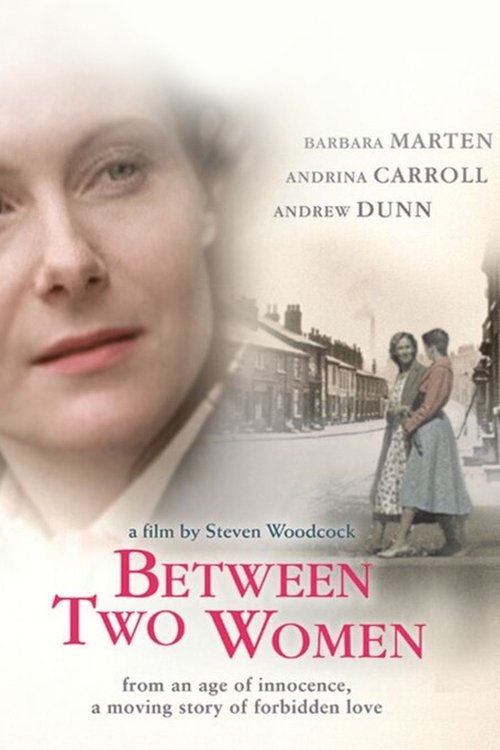
Set in a Yorkshire milltown in 1957, Ellen Hardy is unhappily married but is close to her ten-year-old son, Victor. The family has recently moved house and Victor has started at a new school where Ellen has become friendly with his teacher, Kathy Thompson, who is keen to encourage him at art. As the friendship between the two women grows, Ellen's millworker husband, Hardy, feels increasingly alienated at home.
Set against the soot-stained backdrop of a 1957 Yorkshire milltown, Between Two Women captures a quiet, domestic revolution that feels remarkably intimate even decades after its release. While global cinema audiences often associate period dramas with grand spectacles or sweeping historical epics, this film chooses a more microscopic lens. It focuses on the stifling constraints of post-war British life, where the rigid social hierarchies of working-class neighborhoods often collided with the burgeoning internal desires of those trapped within them. The narrative centers on Ellen Hardy, a woman navigating a marriage that has become a hollow shell, and her transformative connection with her son’s art teacher. This bond serves as the catalyst for a series of emotional shifts that challenge the traditional patriarchal structure of the household, forcing her husband to confront a domestic reality he no longer understands or controls.
For viewers who appreciate the nuanced character studies often found in contemporary Malayalam or independent Hindi dramas, this film offers a similar depth of feeling. It avoids the melodramatic flair common in many mainstream releases, opting instead for a deliberate, measured pace that highlights the unspoken tensions in every shared glance or household chore. The film functions as a precursor to the modern movement of psychological dramas that prioritize character interiority over plot-driven theatrics. It is an ideal watch for those who prefer stories where the landscape itself—the cold, industrial machinery of a mill town—reflects the emotional isolation of its inhabitants. By stripping away the glamour of the era, the director invites the audience to witness the quiet bravery required to seek personal fulfillment when the world demands conformity.
The strength of the production lies in its ability to balance the historical specificity of its setting with themes that remain universally resonant. Whether you are a fan of classic British social realism or simply a cinephile looking for a poignant exploration of female friendship and existential longing, the film provides a compelling look at the complexities of the human heart. It is not merely a period piece, but a study of how individuals carve out identities in spaces that were never designed for their liberation. By focusing on the intersection of parental duty and personal search, the film positions itself as a timeless example of how small, personal decisions can ripple outward to change the trajectory of an entire family. It remains a notable entry for anyone interested in the evolution of intimate, dialogue-driven storytelling that manages to feel both period-accurate and perpetually relevant.
Cast(18)