About Binged to Death
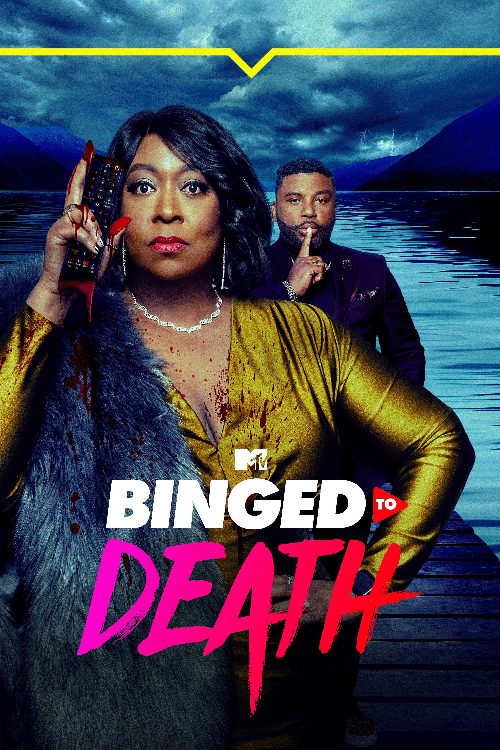
When an obsessive single woman and her best friend learn that their favorite reality show couples have broken up, they abduct them and subject them to a series of cruel games, all with the hopes of rekindling their favorite TV romances.
Streaming culture has fundamentally altered how we consume stories, turning casual viewers into hyper-invested spectators who treat fictional relationships with the gravity of real-world history. Binged to Death captures this modern mania by subverting the tropes of the reality television obsession. Director Craig Moss leans into a dark, satirical premise that examines the thin line between dedicated fandom and dangerous fixation. By thrusting two fanatical followers into a position of total control over their preferred reality stars, the film transforms the screen-mediated bond between celebrity and audience into a terrifying physical reality. It is a sharp commentary on the parasocial relationships that define contemporary media consumption, where the digital divide between the observer and the observed is increasingly blurred.
The narrative thrives on the chaotic energy of its ensemble cast, led by Loni Love and Quincy Brown. Their commitment to the absurdity of the situation anchors the film, ensuring that while the stakes remain high and the tension palpable, the comedic beats never lose their bite. For audiences familiar with the high-stakes theatrics of modern unscripted television, the film serves as a playful jab at the manufactured drama we all love to hate. It sits comfortably in the niche of dark comedies that critique our collective addiction to binge-watching, inviting viewers to laugh at the extreme lengths one might go to maintain the illusion of a perfect on-screen couple. The pacing feels tailored for those who are used to consuming content in frantic, breathless chunks, echoing the addictive quality of the shows it parodies.
While the film is a departure from the grand, emotionally charged spectacles often found in the Indian cinema landscape, its exploration of obsession and public performance resonates globally. Viewers who enjoy thrillers that do not take themselves too seriously but still offer a poignant look at societal behaviors will find plenty to appreciate here. It is a clever, fast-paced ride that asks us to consider how much power we actually yield to the people we watch on our devices. By turning the tables on celebrity culture, the movie provides a fresh perspective on the toxic side of fandom. It is an ideal watch for anyone looking for a brisk, cynical, and highly entertaining look at the bizarre consequences of becoming too invested in someone else’s televised life.