About Black Bread
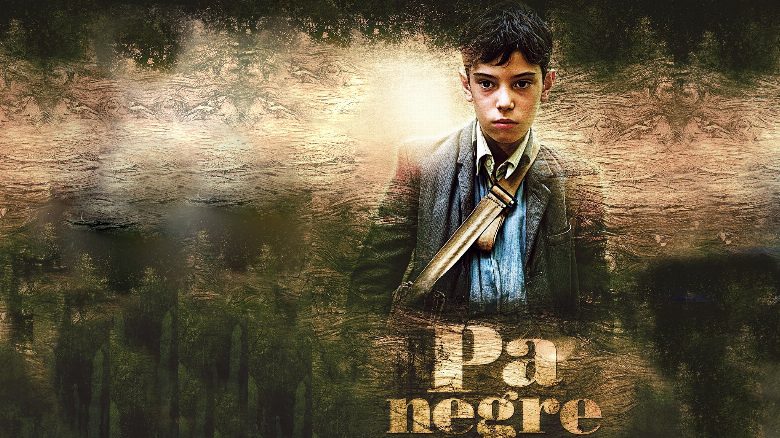
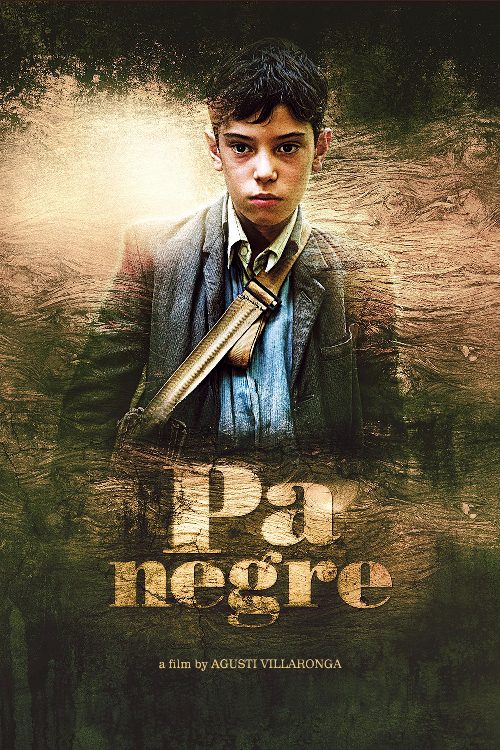
In the harsh post-war years' Catalan countryside, Andreu, a child that belongs to the losing side, finds the corpses of a man and his son in the forest. The authorities want his father to be made responsible of the deaths, but Andreu tries to help his father by finding out who truly killed them. In this search, Andreu develops a moral consciousness against a world of adults fed by lies. In order to survive, he betrays his own roots and ends up finding out the monster that lives within him.
Agusti Villaronga crafts a haunting portrait of innocence lost within the oppressive shadow of the Spanish Civil War, a film that resonates deeply with audiences who appreciate the gritty, character-driven storytelling often found in the best of modern Indian parallel cinema. Set in the rural landscapes of Catalonia, the narrative follows a young boy named Andreu who stumbles upon a grisly discovery that forces him to navigate a labyrinth of political paranoia and familial tragedy. While the setting is geographically distant from the regions typically covered on this site, the thematic exploration of truth versus survival mirrors the intensity of acclaimed dramas like those emerging from the Malayalam or Tamil industries, where the focus remains on the psychological toll of societal upheaval on the individual.
The film distinguishes itself by avoiding the typical tropes of war stories, choosing instead to focus on the suffocating atmosphere of a community poisoned by silence and systemic deceit. As Andreu attempts to exonerate his father from a false accusation, he is thrust into a moral landscape that requires him to shed his childhood illusions. This journey of discovery is not merely about finding a killer but about confronting the darkness inherent in the adult world. Fans of complex, somber dramas who enjoy films that prioritize mood, subtext, and raw emotional stakes will find much to admire here. The cinematography captures the bleakness of the period with a visceral edge, ensuring that the audience feels the weight of every secret kept by the villagers.
Villaronga manages to balance historical context with a timeless coming-of-age arc, anchored by an exceptional performance from the young lead. Much like the nuanced character studies we frequently highlight in our coverage of regional Indian gems, this project thrives because it refuses to offer easy answers or simple moral dichotomies. It is a demanding watch that rewards the viewer with a profound look at how trauma shapes identity. Whether you are a dedicated fan of European auteur cinema or simply someone looking for a narrative that challenges the boundaries of human morality, this film stands as a masterclass in tension and atmospheric storytelling. It serves as a stark reminder that the most dangerous monsters are often the ones hidden behind the masks of our own families and neighbors, a theme that feels as relevant today as it did during the era the film portrays.
Cast(14)