About Blancanieves
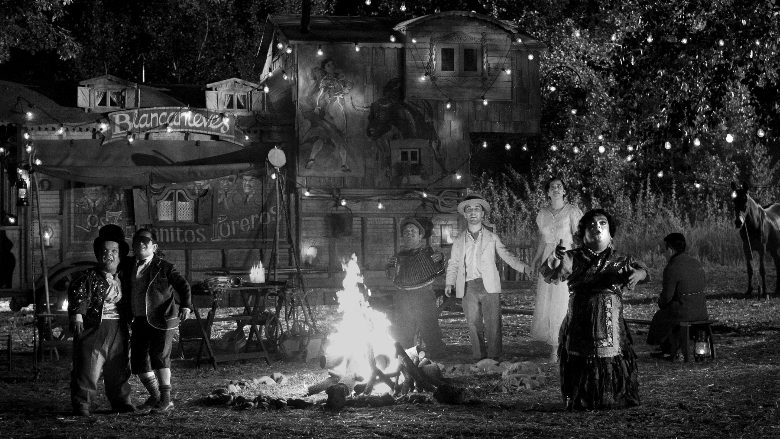
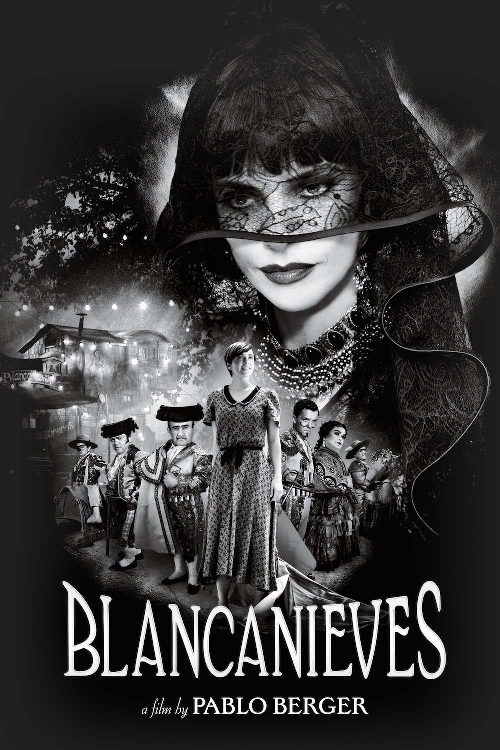
A black and white silent movie, based on the Snow White fairy tale, that is set in a romantic version of 1920s Seville and centered on a female bullfighter.
Stepping away from the conventional trappings of modern cinema, Blancanieves emerges as a bold stylistic experiment that breathes new life into a timeless European fable. By stripping away dialogue and relying on the expressive power of monochrome visuals, director Pablo Berger transports the familiar narrative of a young woman persecuted by an envious stepmother into the vibrant, sun-drenched landscape of 1920s Andalusia. This is not merely a retelling of a Grimm classic but a deliberate homage to the golden age of silent film, where the absence of spoken words amplifies the emotional resonance of the performances. The film masterfully weaves the harsh realities of bullfighting culture with the whimsical fragility of a fairy tale, creating a unique atmosphere that feels both archaic and strikingly contemporary in its visual ambition.
The industry landscape often favors spectacle and sound, yet this Spanish production stands out by daring to communicate entirely through movement, gesture, and a haunting, evocative score. For audiences accustomed to the high-octane drama of contemporary Indian cinema or the rapid-fire editing of global blockbusters, this film offers a meditative, sensory experience that demands full engagement. It sits comfortably alongside other period-driven dramas that prioritize aesthetic cohesion, appealing primarily to cinephiles who appreciate the craft of visual storytelling. By rooting the central character in the tradition of the matador, the film subverts the damsel-in-distress trope found in the original fairy tale, transforming the protagonist into a figure of tragic resilience and strength rather than passive victimhood.
Performance is the heartbeat of this production, with Macarena Garcia delivering a compelling portrayal that relies heavily on subtle physicality to convey profound internal change. The film succeeds because it treats its setting as a character in its own right, utilizing the architecture and festive traditions of Seville to ground the fantasy in a gritty, historical reality. Those who enjoy arthouse cinema or stories that explore the intersection of myth and regional identity will likely find this journey through the bullfighting rings of Spain deeply captivating. It serves as a reminder that the most enduring stories do not always require a voice to leave a lasting impact on the viewer. By stripping the narrative down to its essential components, the director invites us to witness a familiar story from an entirely new perspective, proving that the language of cinema is truly universal when executed with such singular focus.
Cast(27)