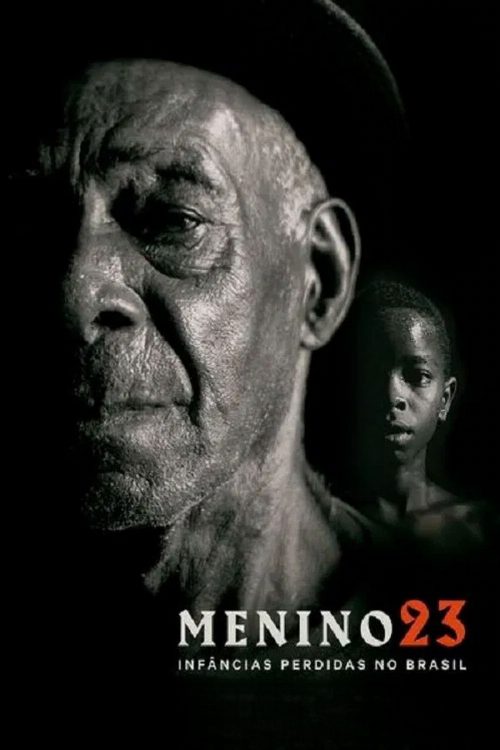
Boy 23: The Forgotten Boys of Brazil(2016)
About Boy 23: The Forgotten Boys of Brazil
The film accompanies the investigation of the historian Sidney Aguilar after the discovery of bricks marked with Nazi swastikas in the interior of São Paulo. They then discover a horrifying fact that during the 1930s, fifty black and mullato boys were taken from an orphanage in Rio de Janeiro to the farm where the bricks were found. There they were identified by numbers and were submitted to slave labour by a family that was part of the political and economic elite of the country and who did not hide their Nazi sympathizing ideals.
Belisario Franca delivers a harrowing excavation of a buried chapter in Brazilian history, moving beyond standard documentary tropes to confront the chilling intersection of white supremacy and institutional child abuse. By following historian Sidney Aguilar as he traces the origin of swastika-stamped bricks found on a rural estate, the film uncovers a systemic nightmare where dozens of Afro-Brazilian children were forcibly removed from an orphanage to endure forced labor under the thumb of a wealthy, ideologically radical family. This investigation does not merely recount a historical tragedy; it forces a confrontation with the uncomfortable reality of how far extremist ideologies permeated the social and political structures of South America during the 1930s.
For enthusiasts of investigative cinema and historical documentaries, this work serves as an essential companion to films that explore the lingering shadows of fascism. Much like the recent wave of Indian documentaries that peel back the layers of systemic caste-based or colonial-era trauma, this film highlights the importance of oral history and archival research in reclaiming the dignity of the marginalized. The narrative structure is intentionally deliberate, allowing the surviving victims to articulate their experiences in a way that centers their humanity rather than merely focusing on the cruelty of their captors. It is a haunting exploration of how the elite utilized the cover of status to sanitize atrocities that were hidden in plain sight for decades.
This project is positioned as a must-watch for viewers who appreciate rigorous journalistic storytelling that challenges national myths. While the subject matter is undeniably heavy, the film manages to be both educational and deeply empathetic, making it a powerful entry point for those interested in global human rights narratives. Fans of socially conscious cinema, particularly those who follow the critical tradition seen in filmmakers who expose hidden power dynamics, will find this a compelling and necessary watch. It is a stark reminder that the erasure of history is often the first step in repeating it, and it stands as a testament to the resilience of those who refuse to let the past remain forgotten.
Crew
Editor
Sound Editor
Director
Art Direction
Director of Photography
Similar Films