About Breakout
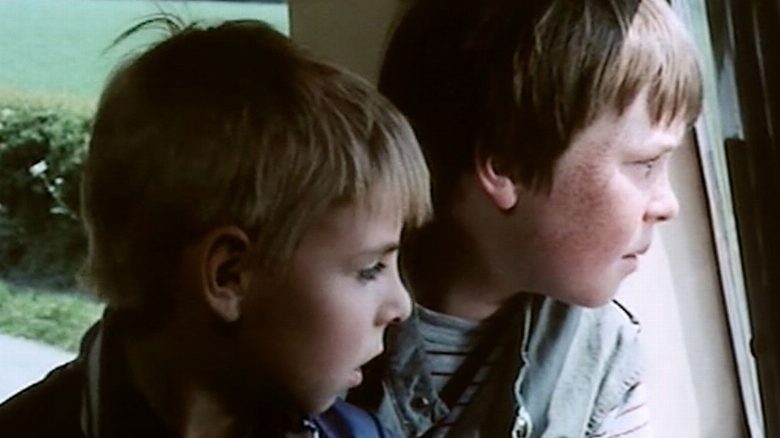
Two boys are kidnapped by three escaping convicts and the relationship which develops between captor and captured brings out the good side of the most dangerous criminal's character.
Venturing back into the mid-eighties landscape of British family cinema, Breakout serves as a fascinating relic of a genre that balanced gritty tension with the earnest sentimentality often found in youth-oriented adventures of the era. Directed by Frank Godwin, the film presents a classic high-stakes premise where innocence finds itself trapped in the orbit of desperation. While contemporary viewers might find the aesthetic distinctly vintage, the core narrative arc explores a surprisingly nuanced psychological terrain. By placing young protagonists in the path of fugitives, the story moves beyond a simple chase sequence to examine the unexpected humanity that can emerge in the most volatile of environments. It stands as a curious counterpoint to the more polished, big-budget escapism that would dominate the following decade, favoring a grounded, character-driven approach that prioritizes the evolving dynamic between the kidnappers and their young charges.
For audiences who enjoy the grit of survival stories combined with the emotional stakes of coming of age, this film offers a unique study in forced companionship. The central conceit hinges on the transformation of the primary antagonist, whose hard-edged exterior begins to fracture through the presence of the children he has abducted. This trope, while familiar, is executed with a level of sincerity that feels specific to the mid-eighties independent production cycle. It is the kind of storytelling that appeals to cinephiles interested in the evolution of the kidnap-thriller genre, particularly how it has been adapted for younger demographics without losing its edge. Those who appreciate the grounded, location-heavy cinematography of the period will find plenty to admire in the way the film utilizes its environment to mirror the isolation felt by both the captives and their captors.
The relevance of Frank Godwin as a filmmaker lies in his ability to maintain a consistent tone throughout this precarious balancing act. Despite the inherent dangers of the situation, the film never fully descends into nihilism, choosing instead to focus on the redemptive potential of human connection. For those who follow the history of British independent cinema, this work fits neatly into a tradition of low-budget, high-concept dramas that rely heavily on the strength of their ensemble cast to carry the weight of the script. It remains a notable entry for those looking to explore the deeper cuts of family-oriented suspense, offering a glimpse into a time when thrillers were willing to take quiet, character-focused risks rather than relying on relentless action sequences. It is a thoughtful exploration of how morality often blurs when survival becomes the only objective, making it a compelling watch for those who appreciate character development over spectacle.
Cast(16)






Crew
Director
Similar Films