
About Breathe
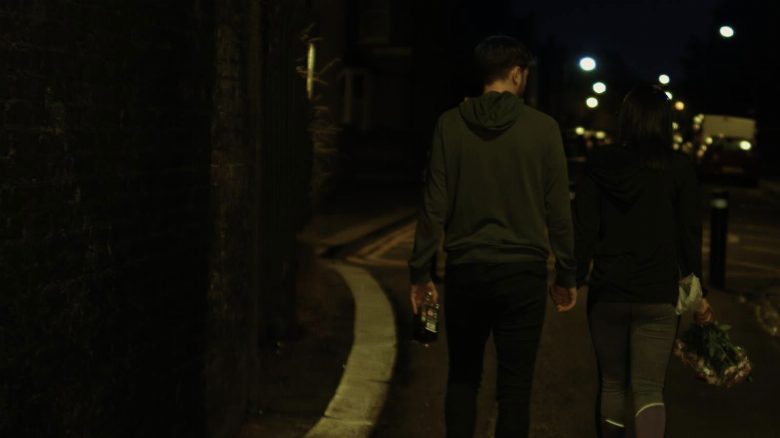
Following a tragic accident, two damaged souls find each other in a dark, messed up situation.
The landscape of independent drama often relies on the gravity of human connection to anchor its narrative, and Breathe emerges as a stark exploration of how two fractured individuals navigate the aftermath of life altering trauma. By focusing on the intimate intersection of grief and accidental intimacy, the film moves away from traditional plot heavy storytelling to prioritize the raw emotional architecture of its leads. This creates a viewing experience that feels less like a conventional narrative and more like an observational study of people struggling to reconcile their internal chaos with the harsh realities of their environment. It stands out in a crowded marketplace by eschewing melodrama in favor of a gritty, grounded aesthetic that demands patience and empathy from the audience.
For viewers who frequent the robust output of global cinema, including the burgeoning indie scenes across Telugu, Tamil, and Hindi industries, this film offers a distinct departure from the high octane spectacles that often dominate international discussions. While the Indian film industry has been masterfully blending emotional depth with massive scale in recent years, Breathe represents the quiet, minimalist side of global storytelling that resonates through universal themes of healing and shared vulnerability. It is positioned as an ideal selection for those who appreciate character driven pieces that allow silence and subtext to do the heavy lifting, rather than relying on exposition or kinetic action sequences. The film excels at capturing the specific, uncomfortable moments that follow a catastrophic event, making it a compelling watch for anyone interested in the psychological underpinnings of human resilience.
The success of a project like this hinges entirely on the ability of the cast to convey profound loss without resorting to histrionics, and the performances here suggest a deep commitment to that nuanced approach. Directorially, the film leans into a somber, atmospheric tone that emphasizes the isolation of the characters, effectively mirroring their inner states through visual choices and deliberate pacing. Fans of intimate dramas will find much to admire in the way the story refuses to provide easy answers or quick emotional payoffs. By grounding the narrative in the fragility of its protagonists, the film invites the viewer into a space of reflection, ensuring that the impact of their encounter lingers long after the screen fades to black. It is a testament to the power of small scale filmmaking to mirror the vastness of the human experience.