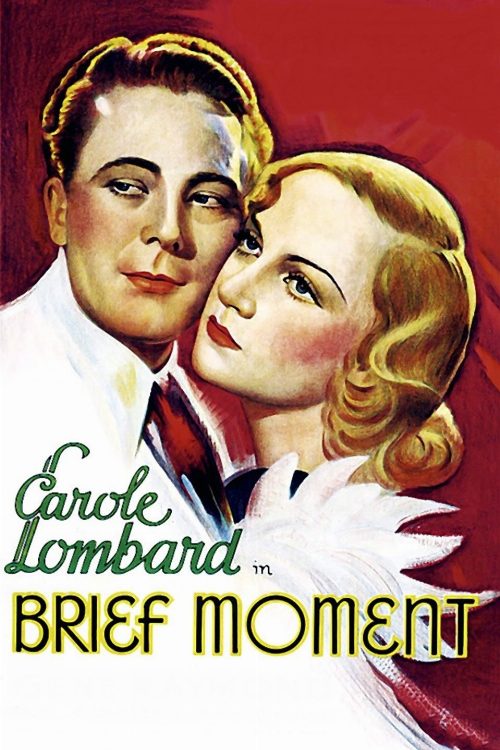
About Brief Moment
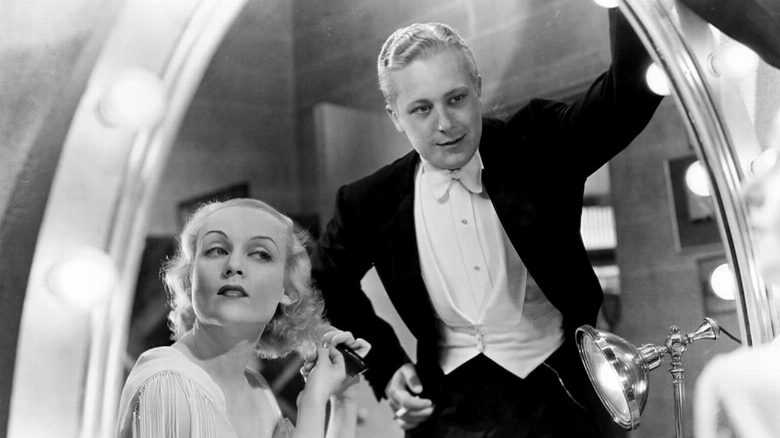
A high living society playboy marries a nightclub singer, and she soon realizes that, though they're genuinely in love, the husband's endless partying completely dominates and is destroying their marriage.
The early thirties represented a fascinating transitional phase for American cinema, where the rigid constraints of the pre-code era allowed for narratives that were often surprisingly candid about the complexities of marriage and social status. Brief Moment stands as a quintessential artifact of this period, exploring the friction between the glittering, superficial lifestyle of the elite and the grounded reality of a working performer. While contemporary audiences might associate films from this decade with escapism, this particular drama leans into the internal tension of its characters, questioning whether genuine affection can truly survive in an environment defined by constant excess and moral ambiguity. It serves as a compelling bridge to the modern relationship dramas we see today in global cinema, particularly those in the Indian film industries that frequently examine the clash between traditional values and rapid urban lifestyles.
At the heart of the story is the contrast between the carefree, hedonistic nature of the male protagonist and the growing disillusionment of his spouse. The narrative thrives on the performance of Carole Lombard, who brings a distinct layer of vulnerability to her role, effectively capturing the feeling of being an outsider in a world of inherited wealth and aimless partying. For viewers who appreciate character-driven stories where the conflict is born from lifestyle incompatibility rather than external villains, this film offers a sophisticated look at the fragility of romantic bonds. It captures the specific anxieties of a couple who find themselves at odds not because the love is absent, but because their fundamental ways of existing in the world have become diametrically opposed.
This production is particularly interesting for students of film history who want to see how the industry handled themes of class mobility and the disillusionment of the Jazz Age before the strict enforcement of the Hays Code. It functions as a cautionary tale that remains relevant even decades later, mirroring the thematic depth found in contemporary dramas that explore the pitfalls of fast-paced, high-profile living. Those who enjoy sharp dialogue and period-accurate portrayals of social pressures will likely find this to be a rewarding watch. By focusing on the quiet erosion of a partnership rather than grand, sweeping tragedy, the film manages to maintain an intimate scale that highlights the talents of its cast, proving that even a brief glimpse into a troubled marriage can leave a lasting impact on the viewer.
Cast(12)