About Carmen
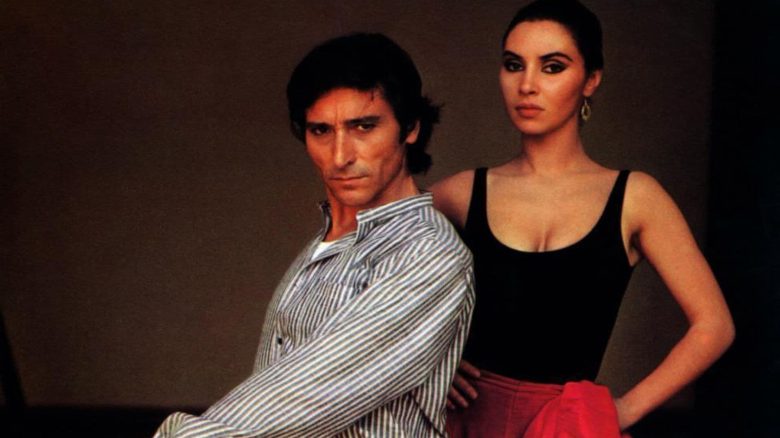
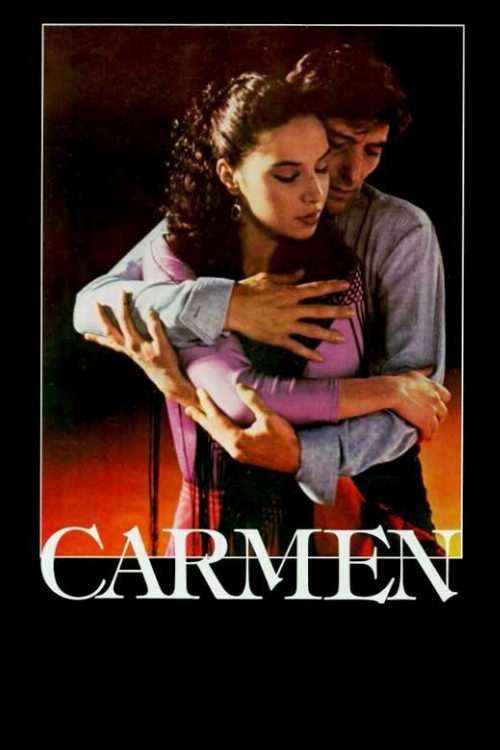
While rehearsing a flamenco ballet adaptation of Bizet's opera “Carmen”, Antonio, the choreographer, falls in love with the main dancer, Carmen, a fiercely independent woman. Antonio is slowly consumed by jealousy and possessiveness towards Carmen, just like Don José in the original opera, blurring the lines between fiction and reality.
Carlos Saura delivers a masterclass in blurring the boundaries between artistic performance and raw human emotion in this 1983 cinematic triumph. The film functions as a meta-narrative, centering on a choreographer who decides to stage a contemporary flamenco version of a legendary opera. As the production takes shape, the lead dancer embodies the titular character with such magnetic intensity that the director finds himself mirroring the tragic trajectory of the man he is helping to portray on stage. Unlike standard musical dramas that treat song and dance as mere spectacle, this work treats the art form as a psychological mirror. The rhythmic intensity of the flamenco serves as a visceral language, revealing the simmering tension and inevitable decay of the central relationship as professional boundaries dissolve into a volatile, real-life obsession.
This Spanish production holds a significant place in international cinema history, particularly for its contribution to elevating folk dance traditions into high art narratives. For audiences accustomed to the high-energy song-and-dance sequences found in Indian cinema, this film offers a fascinating point of comparison. While the vibrant choreography of Telugu or Hindi cinema often serves to amplify emotional swells or narrative pauses, the movement here is the narrative itself. The film is perfectly suited for viewers who appreciate psychological depth and those who find beauty in the intersection of traditional performance and modern storytelling. It is an essential watch for cinephiles who want to understand how a director can translate the complex themes of a classic opera into a modern, grounded setting without losing the original source material's haunting gravity.
The relevance of this film is bolstered by the presence of legendary flamenco figures whose technical mastery brings an unparalleled authenticity to the screen. The inclusion of genuine practitioners ensures that every stomp and guitar strum carries the weight of cultural heritage, anchoring the abstract themes of jealousy and possession in something tangibly powerful. By refusing to distinguish clearly between the rehearsal studio and the private lives of the dancers, the film forces the audience to question where the performance ends and the person begins. It is a haunting exploration of how art can become a trap when it is fueled by unchecked passion, making it a timeless piece of world cinema that remains as compelling today as it was during its initial release.
Cast(17)