About César
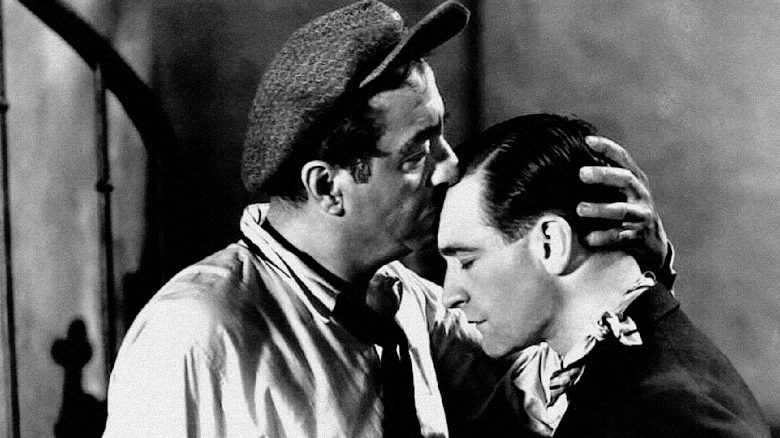
Leaping forward twenty years, the trilogy continues with the death of Fanny's husband, Panisse, and the discovery of her secret by her son, Césariot. The young man resolves to track down his biological father, Marius, whose life has been fraught with calamity and poverty.
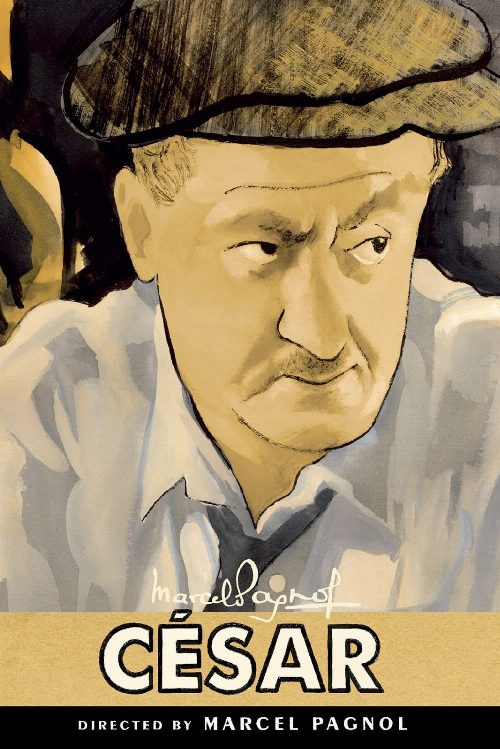
Marcel Pagnol remains a titan of twentieth century French cinema, and his ability to ground high emotional stakes in the mundane rhythms of Mediterranean life is on full display in Cesar. Serving as the final chapter of his celebrated Marseille trilogy, this 1936 masterpiece shifts the narrative focus toward the generational friction that inevitably follows long-buried family secrets. While contemporary Indian cinema often explores the weight of ancestral legacies through grand melodrama or action-oriented reunions, Pagnol opts for a quieter, more intimate examination of truth and forgiveness. The film captures the essence of a bustling port city where every character is defined by their past mistakes and their desperate attempts to reconcile with the people they left behind. It is a profound study of human vulnerability that feels as relevant to modern audiences as it did to those during the interwar period.
At the heart of the story is the delicate confrontation between a young man discovering his true parentage and the aging figures who have carefully curated his upbringing. Unlike the fast-paced ensemble dramas common in modern Hindi or Malayalam industry outputs, this film relies heavily on the nuanced performances of its lead cast to drive the tension. Raimu, reprising his iconic role, anchors the proceedings with a gravitas that elevates the script above standard period drama. The narrative tension does not stem from external villains or societal pressures but from the internal collapse of the lies that have sustained the family for two decades. It is a masterful exploration of how the truth, no matter how carefully hidden, eventually demands a reckoning from those who seek to suppress it.
Viewers who appreciate character-driven storytelling will find this a rewarding experience. It serves as an essential bridge between classic European stagecraft and the evolving medium of film, offering a masterclass in dialogue-heavy drama. For those familiar with regional Indian films that focus on the complexities of domestic life and the shifting dynamics between parents and children, this work offers a fascinating parallel. It is less concerned with spectacle and more invested in the slow, painful process of healing old wounds. This is not just a historical curiosity for film students, but a deeply human portrait of fathers, sons, and the lingering influence of choices made long ago. Anyone drawn to mature, thoughtful narratives that favor emotional clarity over plot twists will find this concluding chapter to be an enduring achievement in the history of global cinema.
Cast(19)