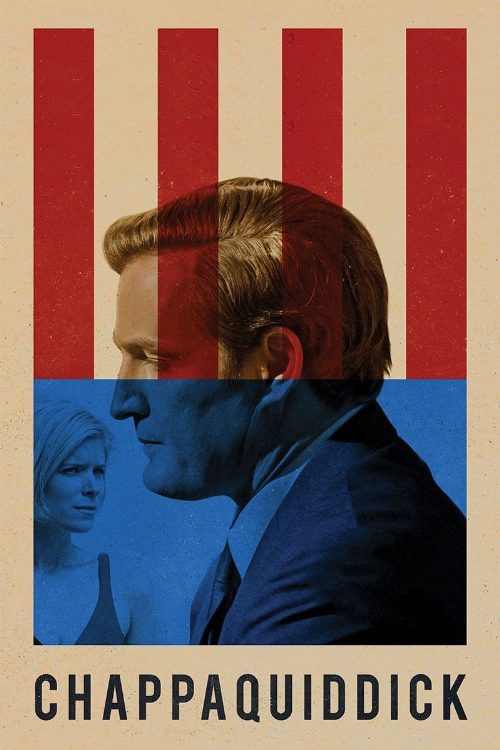
Chappaquiddick(2018)
About Chappaquiddick
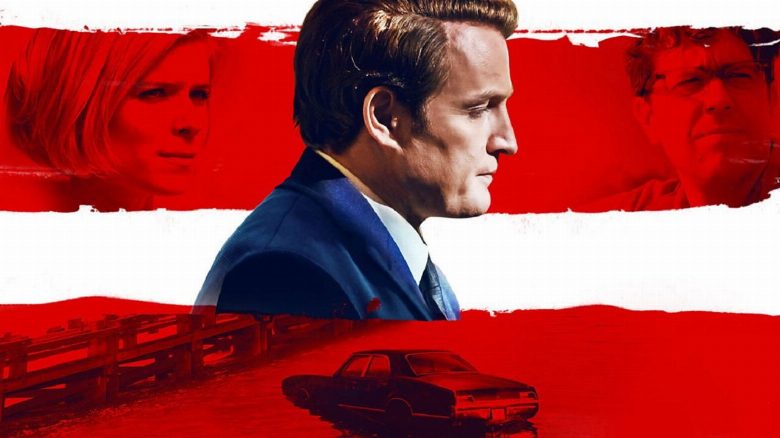
Ted Kennedy's life and political career become derailed in the aftermath of a fatal car accident in 1969 that claims the life of a young campaign strategist, Mary Jo Kopechne.
The shadow of the Kennedy dynasty has long been a subject of fascination for global audiences, but few chapters of that legacy are as haunting or as morally complex as the 1969 incident that forever altered American political history. Chappaquiddick steps away from the typical hagiography often associated with powerful families and instead presents a chilling, claustrophobic character study of a man grappling with the weight of his own hubris. While Indian cinema frequently explores the intersection of political power and personal morality, this film offers a distinct contrast, trading the high-octane drama of regional political thrillers for a slow-burn, psychological examination of privilege and the desperate attempts to preserve a public image at the cost of human life.
Jason Clarke delivers a performance that strips away the glamour of the Kennedy name, portraying the senator not as a tragic hero, but as a deeply flawed figure paralyzed by the consequences of his own actions. The film succeeds by focusing on the mechanics of a cover-up rather than just the tragedy itself, placing the viewer inside the suffocating rooms where decisions are made to prioritize reputation over accountability. For fans of investigative dramas or those who appreciate the meticulous reconstruction of historical turning points, the film provides a gripping look at how institutional power operates in the darkest of hours. It serves as a stark reminder that the machinery of influence can be just as dangerous as the errors that set it in motion.
This production will likely resonate with viewers who enjoy the grit of political procedurals and the tension of moral dilemmas portrayed in international cinema. By eschewing sensationalism in favor of an atmospheric, almost noir-like tension, it distinguishes itself from typical historical biopics. Director John Curran handles the narrative with a surgical precision that forces the audience to confront the ethical decay occurring behind closed doors. Whether you are an enthusiast of global political narratives or simply someone drawn to intense, character-driven storytelling, the film offers a perspective on the fragility of legacy that feels both timely and timeless. It is a somber piece of filmmaking that asks uncomfortable questions about the price of ambition and the true nature of leadership under pressure.
Cast(104)