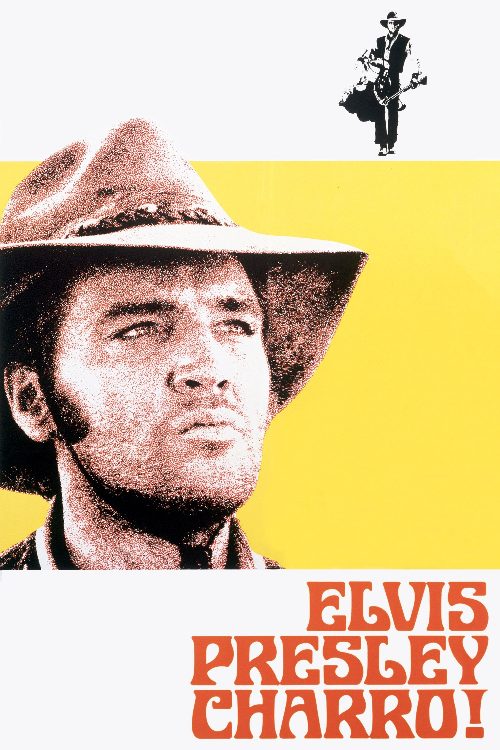
Charro!(1969)
About Charro!
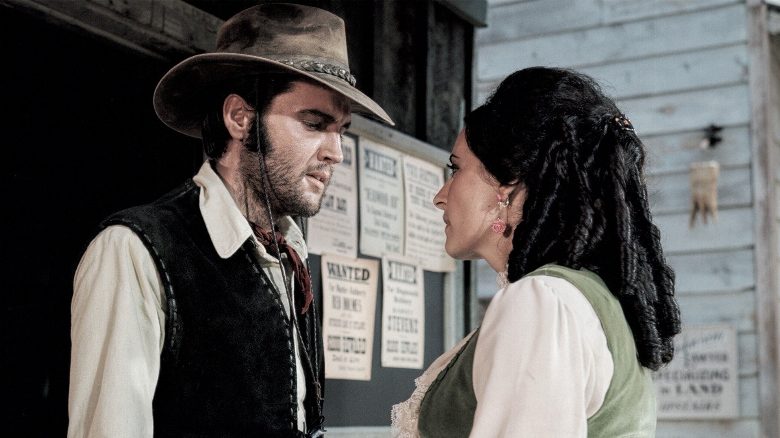
Vince Hackett's gang steals a prized victory canon from Mexico and blames the deed on ex-member Jess Wade, who wants to go straight.
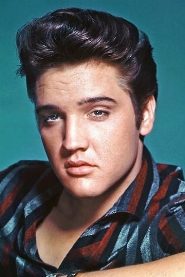
Few cinematic departures are as jarringly fascinating as seeing the King of Rock and Roll trade his guitar for a sidearm in the desolate landscape of the American frontier. Charro! stands as a singular curiosity in the vast filmography of Elvis Presley, marking his most determined attempt to shed the lighthearted musical persona that defined his earlier projects for a grittier, more stoic brand of storytelling. By stripping away the song-and-dance numbers that typically anchored his screen presence, the film positions itself as a somber character study centered on a man attempting to outrun a violent past. The narrative tension hinges on an intricate web of betrayal, where a former outlaw finds himself framed for a high-stakes heist orchestrated by his own previous cohorts. This setup provides a classic framework for the western genre, yet it is elevated by the rare sight of Presley operating entirely within the constraints of a traditional, non-musical action drama.
For enthusiasts of global cinema, this production serves as a compelling case study in the evolution of the star-driven vehicle. While international audiences may be more accustomed to the high-octane spectacle of modern South Indian action dramas where the protagonist is often larger than life, Charro! offers a different kind of intensity. It captures an era when Hollywood was experimenting with darker, more cynical western tropes, moving away from the heroic archetypes of the fifties. The film relies heavily on the stark, sun-drenched vistas and the psychological weight of a man caught between his desire for redemption and the inescapable pull of his criminal history. It is a lean, focused piece of filmmaking that prioritizes atmosphere and character conflict over the sprawling, multi-layered narratives common in today’s regional Indian hits.
Viewers who appreciate the slow-burn tension of classic westerns or those curious about the boundaries of celebrity casting will find much to dissect here. It is not a film that leans on flashy choreography or complex subplots; instead, it invites the audience to observe a legendary performer attempting a complete stylistic pivot. By eschewing the formulaic structures of his previous work, Presley delivers a performance that feels surprisingly grounded, even if the surrounding production remains firmly rooted in the conventions of its time. For those interested in the history of the western genre or the legacy of icons who dared to disrupt their own carefully curated images, this film remains an essential, if unconventional, entry. It stands as a testament to a fleeting moment where a pop culture titan stepped into the shadows of the desert to prove he could hold the screen without saying a single note.
Cast(20)