About Cinderella
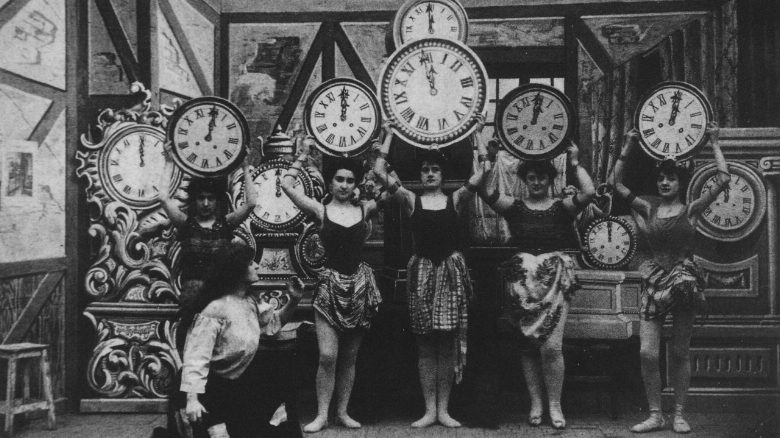
A fairy godmother magically turns Cinderella's rags to a beautiful dress, and a pumpkin into a coach. Cinderella goes to the ball, where she meets the Prince - but will she remember to leave before the magic runs out? Méliès based the art direction on engravings by Gustave Doré. First known example of a fairy-tale adapted to film, and the first film to use dissolves to go from one scene to another.
Stepping back into the earliest days of moving pictures, one finds that Georges Melies was not merely documenting reality but actively constructing the vocabulary of modern fantasy. Long before the polished blockbusters of contemporary world cinema, this French production established the blueprint for the cinematic fairy tale. By translating the visual language of Gustave Dore into the nascent medium of film, Melies demonstrated that the camera could serve as a conduit for wonder. While today’s audiences are accustomed to the seamless digital wizardry of modern Indian industries like Tollywood or Bollywood, there is an unmatched, tactile charm in seeing how early pioneers utilized practical stagecraft to manifest the impossible.
The narrative remains a cornerstone of global folklore, centering on a young woman whose life is transformed through a singular night of enchantment. Beyond the familiar beats of a glass slipper and a midnight deadline, the film is historically significant for its technical innovation. It stands as a landmark in the evolution of editing, specifically through the implementation of dissolves to transition between disparate sequences. This was a radical departure from the static, single-shot style that dominated the infancy of the medium. For the modern viewer, this piece functions as a time capsule, offering a window into how the marriage of literature and technology first captivated public imagination.
For students of film history and aficionados of the fantasy genre, this work is essential viewing. It bridges the gap between the theatrical traditions of the late nineteenth century and the burgeoning art form of narrative motion pictures. Melies, a magician by trade, brought a unique sensibility to the director chair that prioritized spectacle and atmosphere over rigid realism. Those who appreciate the roots of visual storytelling will find much to admire in the careful staging and the ambitious scale of the production. It serves as a reminder that the heart of cinema has always been about the transformative power of a well-told story, regardless of whether it is delivered through silent pantomime or the elaborate high-budget spectacles that dominate today’s global box office. Even in its primitive form, the film captures the quintessential human desire to witness the mundane give way to the miraculous, a theme that remains as potent in contemporary international hits as it was at the dawn of the twentieth century.