About Colorado Territory
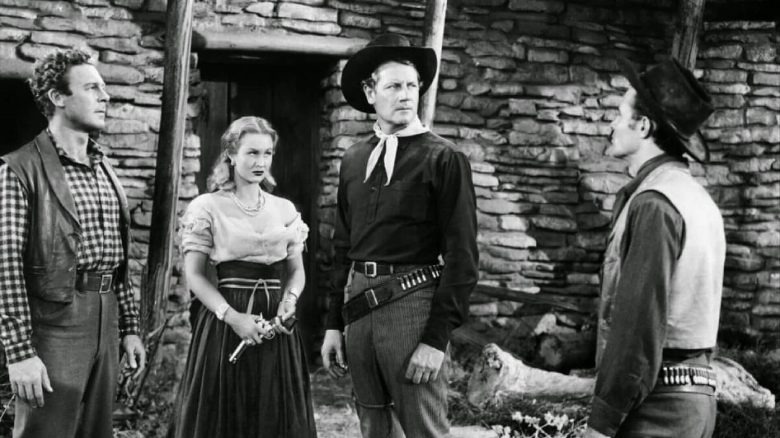
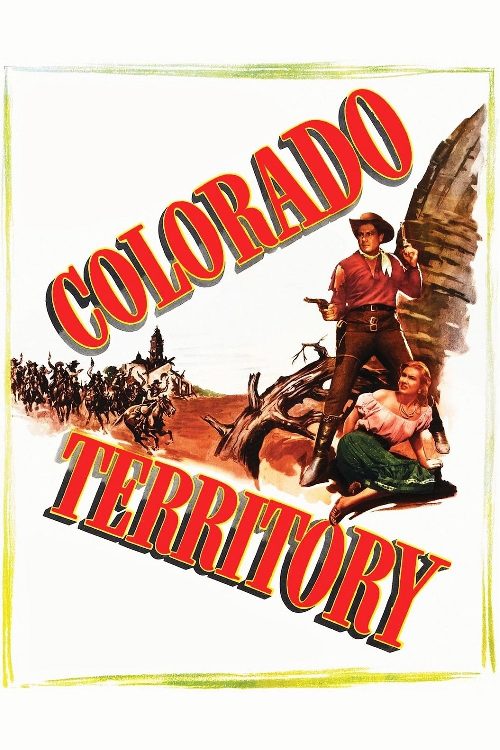
After escaping from jail, outlaw Wes McQueen is convinced by his old partner in crime to do one last heist.
Raoul Walsh delivers a masterclass in atmospheric tension with Colorado Territory, a film that serves as a vital bridge between the classical era of Hollywood and the darker, more cynical sensibilities of the burgeoning film noir movement. While many westerns of the late forties leaned into romanticized notions of the frontier, this production grounds itself in the gritty reality of a man trapped by his own history. By shifting the focus away from the traditional cavalry versus outlaws dichotomy, the narrative explores the psychological weight of a life spent outside the law. It feels less like a typical adventure across the plains and more like a desperate struggle for redemption, echoing the fatalistic tone often found in hard-boiled detective fiction.
The film stands as a fascinating case study for those who follow the evolution of the genre, particularly because it functions as a spiritual successor to earlier cinematic explorations of the outlaw archetype. For audiences accustomed to the high-stakes dramas prevalent in contemporary Indian cinema, where the protagonist often balances moral ambiguity with a quest for personal sanctuary, this story will feel surprisingly familiar. It captures that specific longing for a clean slate that resonates across cultures, portraying the protagonist as a complex figure whose desire for a quiet life is constantly thwarted by the ghosts of his past. The chemistry between the cast members adds a layer of emotional vulnerability that elevates the stakes beyond mere physical conflict.
Viewers who enjoy character-driven narratives with a touch of melancholy will find much to admire in this mid-century gem. The director brings a distinct visual urgency to the screen, ensuring that every frame feels charged with the necessity of escape. Because the plot hinges on the internal struggle of a man who knows his options are dwindling, it avoids the hollow spectacle of many big-budget features of the time. This is a must-watch for cinephiles who appreciate how master filmmakers utilize wide landscapes to mirror the internal isolation of their leads. It remains a poignant example of how a familiar setting can be transformed into a stage for profound human drama, making it an essential viewing experience for anyone looking to understand the bedrock of crime-infused westerns.
Cast(38)