
About Comandos de alto poder
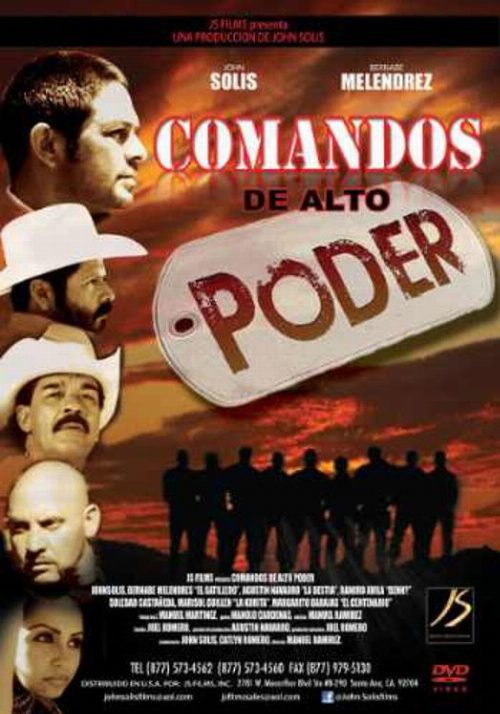
The gritty landscapes of international action cinema often find their most raw expression in regional productions that bypass the polish of mainstream blockbusters to focus on visceral intensity. Comandos de alto poder emerges as a quintessential example of this hard-hitting style, carving out a space for itself within the landscape of 2010s independent genre filmmaking. Directed by Manuel Ramirez, the project leans heavily into the rugged aesthetic that has defined much of the cinematic output from this specific corner of the Spanish-language market, where narrative stakes are frequently measured in survival and tactical prowess rather than grand, sweeping spectacle. For those who appreciate the no-nonsense approach found in the early tactical thrillers of global cinema, this film offers a grounded perspective on conflict and loyalty.
At its core, the story functions as a high-stakes exploration of duty, positioning John Solis and Bernabé Melendrez in roles that demand both physical stamina and a stoic command of the screen. While Indian cinema audiences are currently accustomed to the massive, operatic scales of pan-Indian action epics, there is a distinct charm in revisiting a smaller, more intimate production that relies on the grit of its performers. The chemistry between Agustín Navarro and Margarito Barajas provides a necessary anchor for the pacing, ensuring that the momentum remains focused on the central mission. It is the kind of feature that appeals to viewers who prefer character-driven skirmishes over the heavy reliance on digital effects often dominating today’s multiplexes.
The film serves as an interesting time capsule for the directorial sensibilities of Manuel Ramirez, who manages to extract tension from limited resources by emphasizing the rugged environment. While it lacks the glitz of a high-budget studio project, it compensates with an earnest commitment to its chosen genre. Fans of intense, character-focused action will likely find the straightforward storytelling refreshing, as it avoids unnecessary subplots to maintain a tight grip on the primary objective. By prioritizing the tactical tension between its cast, the movie stands as a testament to the enduring appeal of the action thriller, proving that even a decade later, the fundamental language of cinematic combat remains universal across borders. Whether you are a devotee of classic international action or simply looking to explore the back catalog of regional Spanish-language cinema, this feature provides a direct, unpretentious experience that respects the conventions of the genre while delivering the expected intensity.