
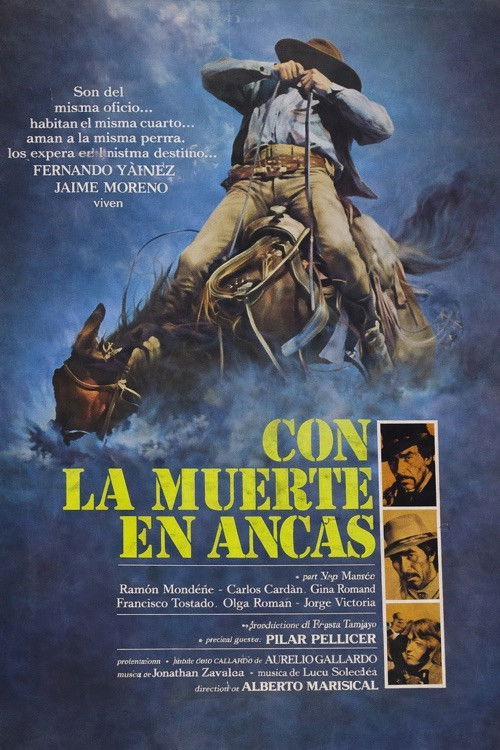
Con la muerte en ancas(1980)
About Con la muerte en ancas
Roving gunslingers team up against a common enemy, but then they turn on each other.
The rugged landscape of the 1980 release Con la muerte en ancas captures a specific moment in cinematic history where the influence of the spaghetti western began to bleed into a more localized, gritty style of storytelling. Directed by Alberto Mariscal, this production leans heavily into the classic archetype of the lone wanderer, yet it subverts the traditional hero journey by prioritizing the shifting allegiances between its primary characters. While global audiences often associate the western genre with American frontiers, this film serves as a reminder of the rich history of Latin American action cinema, which shares a structural DNA with the high-stakes dramas frequently found in the Telugu or Hindi film industries today. Much like the intense rivalries seen in contemporary Indian ensemble dramas, the tension here stems from the inevitable friction that occurs when two men with disparate moral codes are forced into an uneasy alliance against an external threat.
The brilliance of the film lies in its refusal to offer a clear-cut protagonist. Jaime Moreno and Fernando Allende deliver performances that rely on subtle glances and tense silences rather than excessive exposition, a technique that resonates with the slow-burn pacing favored in modern Malayalam neo-noir films. For viewers who appreciate narratives where the line between ally and adversary is constantly being redrawn, this picture provides a masterclass in psychological suspense. The direction by Mariscal keeps the stakes high, ensuring that the environment feels just as dangerous as the men carrying the iron. It is a cynical, dusty, and uncompromising piece of work that demands the audience pay close attention to the unspoken subtext of every confrontation.
Fans of international genre cinema who enjoy exploring the roots of hard-boiled storytelling will find much to admire here. It is not merely a tale of guns and confrontation but a character study that examines human greed and the fragility of trust under pressure. Those who enjoy the stylistic flair of classic 1980s cinema will appreciate the raw, unpolished aesthetic that distinguishes this project from the more sanitized big-budget ventures of the era. By stripping away the romanticized myths of the Old West, the film positions itself as a precursor to the darker, more cynical action films that dominate today’s global streaming landscape. It remains a compelling watch for anyone interested in how the fundamental components of betrayal and survival have been crafted by directors working outside the traditional Hollywood studio system.