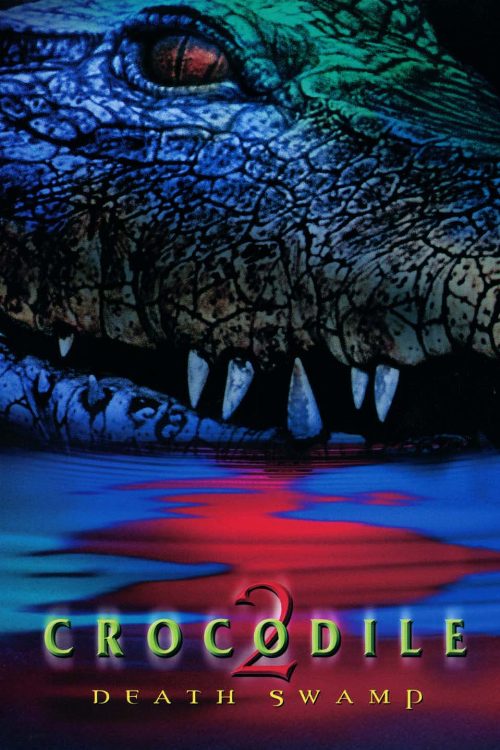
About Crocodile 2: Death Roll
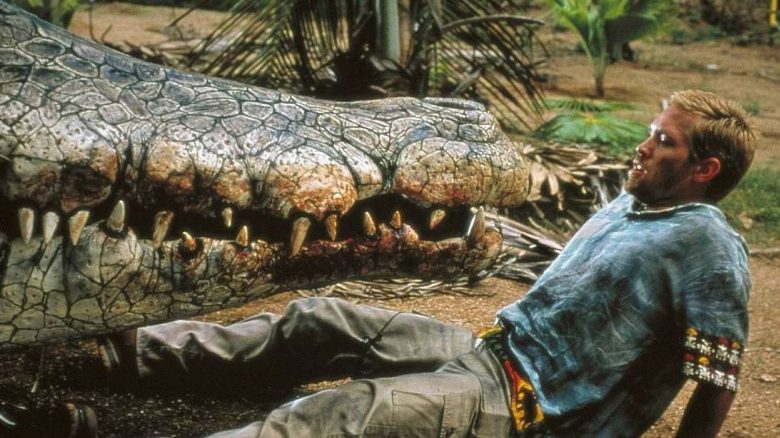
After a bank robbery, four criminals escape to Mexico, but a storm causes an accident which takes down the plane where several die in the crash. The criminals take it into their own hands to continue when one survivor is attacked and eaten by a crocodile. The criminals kill it, but from then on the mother Crocodile is on a killing spree with a goal to kill each survivor. But that is not the only worry, because they're trapped within it's world, and if it doesn't kill them, the criminals will.
The creature feature subgenre has always thrived on the tension between human desperation and the primal threat of nature, a dynamic that Crocodile 2 Death Roll leans into with unapologetic intensity. While many modern survival films lean toward high-concept science fiction or supernatural entities, this production keeps its feet firmly planted in the classic tradition of man-versus-beast terror. By centering the conflict around a group of desperate bank robbers whose aerial getaway goes catastrophically wrong, the film forces an uneasy alliance between criminals and victims. The narrative structure thrives on a claustrophobic setup where the swamp becomes an inescapable prison, ensuring that the characters must contend with both the relentless predatory instincts of an apex reptile and the volatile egos of their human captors.
For fans of global cinema who appreciate the gritty, high-stakes thrillers often found in regional Indian industries like the Malayalam or Telugu action landscapes, this film offers a similar brand of visceral escapism. Much like the intense survival dramas that keep audiences on the edge of their seats in Hyderabad or Kochi, this movie understands that the setting itself must serve as a primary antagonist. Gary Jones utilizes the isolated marshlands to heighten the sense of vulnerability, shifting the focus from elaborate special effects to the raw, frantic scramble for survival. It is positioned as a lean, mean cinematic experience that prioritizes rapid pacing and mounting dread over complex character arcs, appealing specifically to viewers who enjoy B-movie aesthetics and classic monster movie tropes.
Martin Kove brings a seasoned screen presence to the production, anchoring the human conflict with a performance that highlights the fragility of the robbers' control once the true predator reveals itself. The chemistry between the cast members is defined by suspicion and paranoia, which serves to amplify the danger posed by the unseen threat lurking beneath the water. This film is an ideal selection for a late-night marathon, particularly for those who find joy in the practical, no-nonsense horror storytelling that dominated the early 2000s. Whether you are a devotee of creature features or simply looking for an adrenaline-fueled story of survival against impossible odds, the film delivers a straightforward, blood-pumping ride that lingers on the terrifying prospect of being stranded in the heart of a predator’s territory. It remains a notable entry for anyone cataloging the evolution of direct-to-video horror staples that defined the era.
Cast(19)