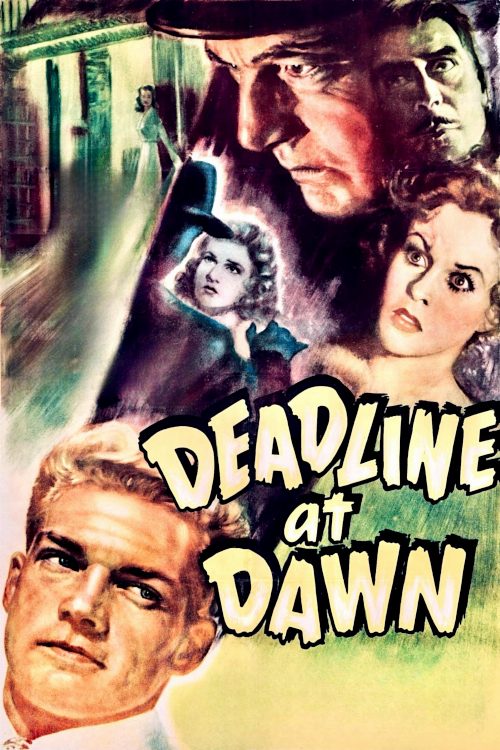
About Deadline at Dawn
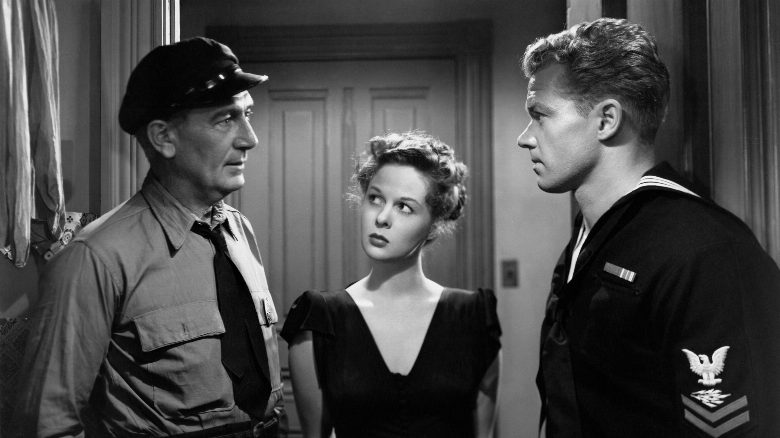
A young Navy sailor has one night to find out why a woman was killed and he ended up with a bag of money after a drinking blackout.
The nocturnal atmosphere of 1946 New York comes alive in Deadline at Dawn, a film that captures the frantic energy of post-war urban life through the lens of a desperate investigation. While contemporary Indian cinema often explores the gritty underbelly of metropolis life through high-octane thrillers or complex noir narratives, this classic represents the foundational DNA of the genre. The story follows a sailor who awakens from a haze of alcohol to discover he is the prime suspect in a homicide, thrusting him into a frantic race against the sun. This narrative device—the ticking clock combined with a sudden loss of memory—serves as a timeless trope that has influenced countless suspense dramas across global industries, including the moody, rain-soaked investigative thrillers popular in Malayalam and Tamil cinema today.
What distinguishes this production is its moody visual language, which leans heavily into the stark contrasts of shadow and light that define early noir. Unlike the sprawling, multi-layered crime epics that often characterize modern Telugu or Hindi blockbusters, this film maintains a tight, claustrophobic focus on a single night of uncertainty. The chemistry between Susan Hayward and Bill Williams adds a layer of genuine human vulnerability to the proceedings, grounding the high-stakes mystery in a relatable romantic tension. It is a quintessential piece for students of cinema who appreciate how a constrained environment can amplify suspense, much like the recent trend of single-location thrillers that have found immense success in the Indian market by prioritizing atmosphere and tight scripting over grand spectacle.
For viewers who enjoy the methodical unraveling of secrets, this film offers a masterclass in pacing. It avoids the bombastic action sequences now standard in mainstream entertainment, opting instead for a conversational, character-driven approach that keeps the audience guessing about the true nature of the protagonist. Given its historical significance, the film stands as a testament to how the mystery genre functions best when the stakes feel deeply personal rather than merely procedural. Those who find themselves drawn to the stylistic silhouettes and cynical worldviews found in the works of legendary filmmakers will likely find this period piece a fascinating study in minimalist tension. It remains a compelling watch for anyone interested in how the conventions of crime fiction were sharpened in the mid-twentieth century, setting a precedent for the intense, character-centric mysteries that continue to captivate audiences worldwide.
Cast(64)