
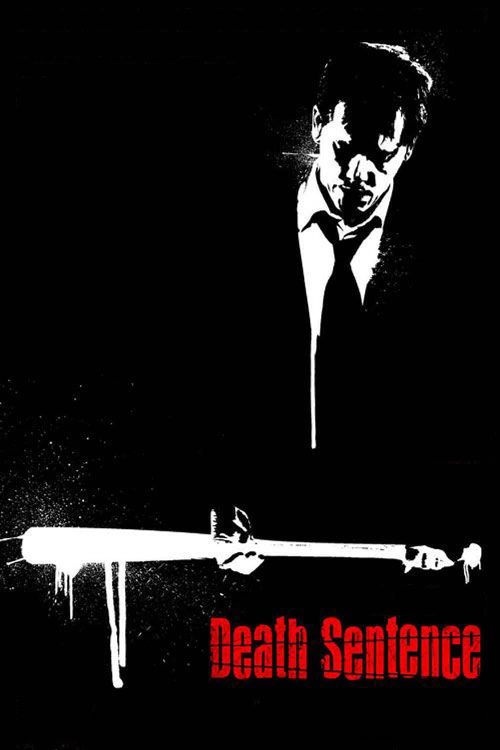
Death Sentence(2007)
About Death Sentence
Nick Hume is a mild-mannered executive with a perfect life, until one gruesome night he witnesses something that changes him forever. Transformed by grief, Hume eventually comes to the disturbing conclusion that no length is too great when protecting his family.
Few cinematic explorations of vengeance feel as raw and unsettling as the 2007 thriller Death Sentence, a film that strips away the glamour often associated with vigilante narratives to reveal the hollow core of retribution. Directed by James Wan, this gritty descent into darkness offers a stark contrast to his later work in the supernatural horror genre, showcasing his ability to build relentless tension within a grounded, urban environment. Kevin Bacon delivers a haunting performance as a man whose orderly existence is shattered by a senseless act of violence. Rather than relying on the traditional archetypes of the unstoppable action hero, the film focuses on the psychological deterioration of an ordinary individual pushed beyond his breaking point. It serves as a grim meditation on the cyclical nature of retaliation, questioning whether the pursuit of justice can ever truly provide peace or if it merely ensures further destruction for all parties involved.
The film occupies a distinct space in the mid-2000s American thriller landscape, leaning into the visceral aesthetic that defined the era while maintaining a sharp focus on the moral erosion of its protagonist. For fans of Indian cinema, particularly the revenge-driven dramas found in industries like Telugu or Tamil film, Death Sentence offers a familiar thematic structure but executes it with a cold, unforgiving clinical precision. It lacks the stylized heroism or grand musical interludes often found in global cinema, opting instead for a bleak, claustrophobic atmosphere that forces the audience to confront the consequences of every violent choice. The narrative trajectory mirrors the downward spiral seen in many acclaimed crime dramas, where the line between the victim and the perpetrator blurs until it vanishes entirely.
Viewers who appreciate character-driven suspense and explorations of human fragility will find much to dissect here. It is an ideal recommendation for those who prefer stories that challenge the righteousness of their leads, moving away from simple morality tales toward a much murkier gray area. Because the film avoids the comfort of a triumphant resolution, it remains a compelling study of how grief can act as a catalyst for catastrophic change. By placing a relatable, soft-spoken professional in the center of a gang conflict, the story emphasizes the vulnerability of the domestic sphere when it is forced to confront the harsh realities of the criminal underworld. It is a taut, uncompromising piece of filmmaking that lingers in the mind long after the final frame, serving as a cautionary reminder of the heavy price one pays when they decide to become the judge, jury, and executioner.
Cast(26)