
About Die wilde Auguste
Stepping into the world of German cinema from the mid-fifties offers a fascinating glimpse into a period where lighthearted escapism dominated the post-war cultural landscape. Die wilde Auguste arrives as a quintessential example of the era’s penchant for theatrical comedy, capturing the vibrant energy of the circus ring to tell a story that prioritizes whimsy and performance. While modern audiences often associate German film history with the intense gravity of expressionism or the radical shifts of the New German Cinema movement, this particular production highlights a mid-century appetite for colorful, character-driven narratives that aimed to entertain rather than provoke. Directed by Georg Jacoby, a veteran of the industry who understood the mechanics of popular appeal, the film positions itself as a classic farce that leans heavily on the eccentricities of its ensemble cast.
The narrative revolves around the chaotic and often humorous dynamics inherent to circus life, a setting that serves as the perfect playground for the comedic talents of performers like Ruth Stephan and Oskar Sima. By placing his characters within the sawdust-strewn environment of a traveling troupe, Jacoby taps into a rich tradition of performance-based storytelling that feels both intimate and grand. For viewers who appreciate the evolution of European comedy, this film functions as a time capsule, showcasing the performative styles that were favored by German audiences during the mid-twentieth century. It is a work that relies on the charm of its leads and the predictability of its genre tropes to maintain a brisk, cheerful pace, making it an ideal watch for those interested in the lighter side of classic European cinema.
For fans of Indian cinema, there is a certain resonance to be found in how this film balances broad comedy with the tight-knit dynamics of a specialized community. Much like the regional industries in India often utilize the backdrop of theater or musical troupes to explore social relationships, Die wilde Auguste uses the circus as a catalyst for personal growth and romantic entanglements. It is a film for the curious cinephile who enjoys exploring how different cultures translated the universal language of laughter during the nineteen-fifties. While it may not carry the weight of a contemporary drama, its historical value lies in its earnest commitment to joy, reminding us that every film industry has its own unique way of providing a brief, colorful respite from the realities of the time.
Cast(10)
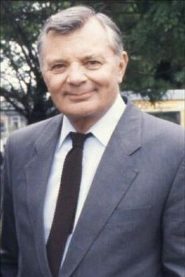

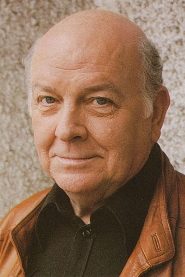

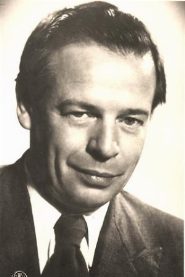

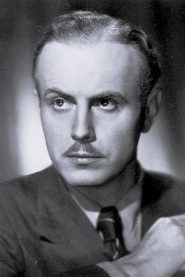
Crew
Director
Original Music Composer
Assistant Director
Director of Photography
Producer
Editor
Similar Films