
Distant Voices, Still Lives(1988)
About Distant Voices, Still Lives
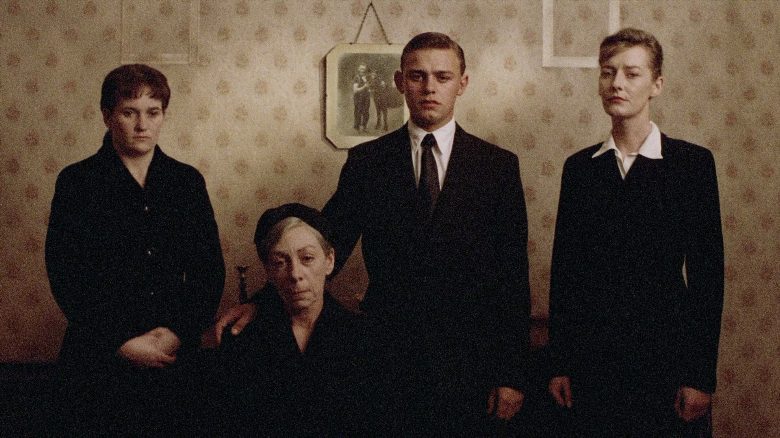
Siblings Maisie and Tony, along with their mother, gather for their sister Eileen's wedding. It is a joyous occasion, but through flashbacks, it becomes clear that the family was not always happy. Their father was physically abusive to his wife and left the children emotionally traumatized. As a result, the children have grown into unhappy adults, looking for love they didn't receive when they were young.
Terence Davies crafted a cinematic masterpiece in Distant Voices Still Lives that functions less like a conventional narrative and more like a haunting collection of memories preserved in amber. Set against the backdrop of post-war Liverpool, the film rejects the linear storytelling tropes common to domestic dramas, opting instead for a mosaic structure that captures the texture of working-class life. By centering the story on the rituals of marriage, funerals, and pub singalongs, the director transforms the mundane activities of a tight-knit family into a profound meditation on the scars left by a tyrannical patriarch. While Indian cinema often explores the weight of familial legacy through grand, sweeping melodramas, this British classic achieves a similar emotional resonance through quiet, suffocating intimacy and the pervasive presence of music as a coping mechanism.
The film is essential viewing for those who appreciate the intersection of social realism and poetic visual composition. It provides a stark look at the cyclical nature of trauma, showing how the instability of a violent upbringing ripples through the adult lives of siblings Maisie, Tony, and Eileen. The performances, particularly that of Pete Postlethwaite, anchor the story in a frighteningly grounded reality, making the viewer feel the claustrophobia of a home held hostage by unpredictable rage. Rather than relying on expository dialogue, the film allows the environment to speak, using period-appropriate music to bridge the gap between the characters' internal repression and their external search for connection. It is a slow-burn experience that rewards patience, demanding that the audience sit with the discomfort of unresolved grief.
For fans of global cinema who admire the nuanced family sagas found in contemporary Malayalam or Tamil independent films, this piece offers a fascinating point of comparison. It echoes the themes of patriarchal dominance and resilience that frequently surface in regional Indian masterpieces, though it filters these through a distinctively British, melancholic lens. The film stands out for its refusal to offer easy catharsis or simplistic resolutions, choosing instead to honor the complexity of human endurance. It serves as a stark reminder that the most powerful stories are often those that find profound beauty in the wreckage of everyday life. Whether one is drawn to historical period pieces or character-driven psychological studies, this work remains an influential pillar of non-traditional filmmaking that continues to resonate with anyone interested in the indelible marks left by our earliest experiences.
Cast(31)