About Dracula
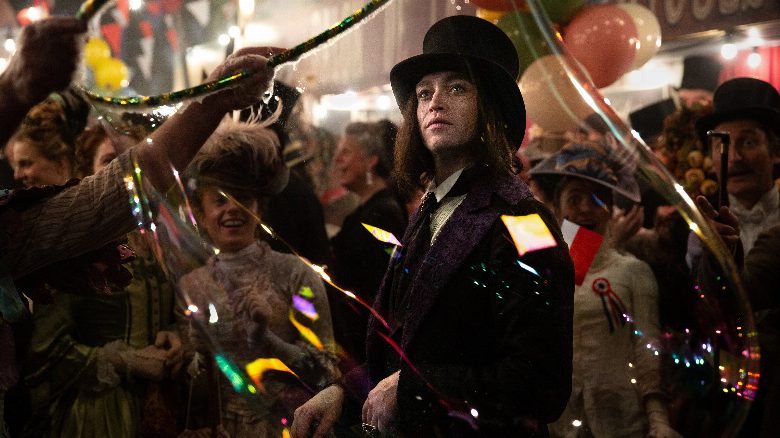
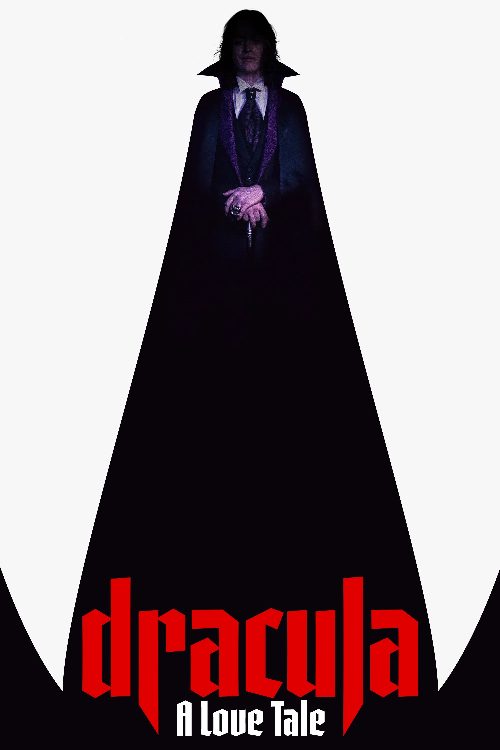
When a 15th-century prince denounces God after the devastating loss of his wife, he inherits an eternal curse: he becomes Dracula. Condemned to wander the centuries, he defies fate and death itself, guided by a single hope — to be reunited with his lost love.
The gothic landscape of European cinema often leans into gritty realism, yet the 2025 iteration of Dracula dares to pivot toward a lush, atmospheric fusion of period drama and supernatural longing. By stripping away the modern aesthetic layers that have bogged down recent vampire adaptations, this French production taps into the visceral melancholy of the original Bram Stoker spirit while injecting a fresh, continental sensibility. The narrative arc moves beyond simple monster tropes, focusing instead on the psychological erosion of a medieval noble whose grief manifests as a literal haunting of history. It is a bold aesthetic choice that prioritizes the internal suffering of the lead character over mere shock value, positioning the film as a sophisticated entry in the horror-romance subgenre.
For the global cinephile, particularly those who follow the evolving landscape of Indian regional cinema, this film offers a fascinating point of comparison. While the Telugu and Malayalam industries have recently mastered the art of high-concept fantasy and folk-horror crossovers, this French project provides a different texture, relying on traditional European romanticism rather than the high-octane spectacle often seen in contemporary blockbusters. Matilda De Angelis leads a cast that navigates this somber, centuries-spanning odyssey with a gravity that grounds the more fantastical elements. The film appears to be designed for viewers who appreciate the mood-driven pacing of European arthouse cinema, where shadows and silence are just as significant as the dialogue.
The relevance of this project lies in its attempt to humanize an icon of darkness without resorting to the tired tropes of campy horror. By examining the protagonist as a man unmoored by the loss of his spouse rather than just a predatory phantom, the director crafts a narrative that feels surprisingly intimate. Fans of atmospheric period pieces who enjoy a slow-burn exploration of themes like undying devotion and the burden of immortality will find much to admire here. As the film traverses various historical epochs, it maintains a visual consistency that suggests a meticulous attention to production design and lighting, ensuring that every frame feels like a painting from the era it depicts. This is an essential watch for anyone interested in how classic literary figures are being reimagined through a modern, international lens, proving that even the most well-worn legends can still find new blood in the hands of a visionary creative team.
Cast(44)