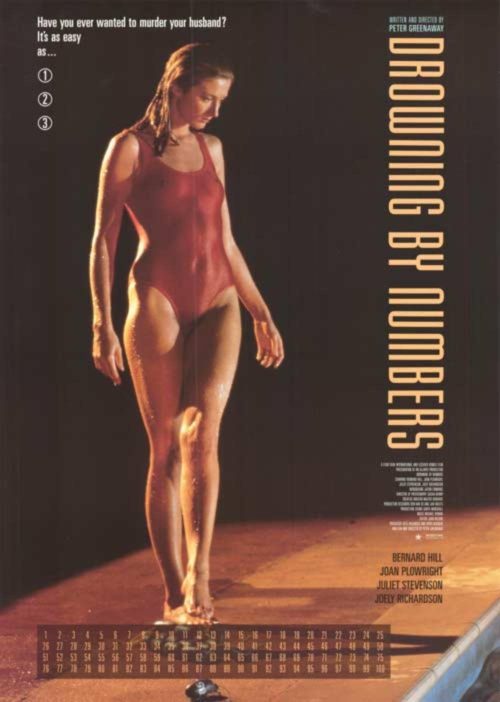
About Drowning by Numbers
Cissie Colpitts drowns her cheating husband and, in the ensuing cover-up, enlists the help of lonely coroner Henry Madgett, an old friend with a longstanding weakness for her charms. But when Cissie's daughter and granddaughter—both also named Cissie Colpitts—decide to resort to the same methods for solving conflicts with their own frustrating husbands, the women and their repeated appeals for help begin to wear on Madgett's conscience.
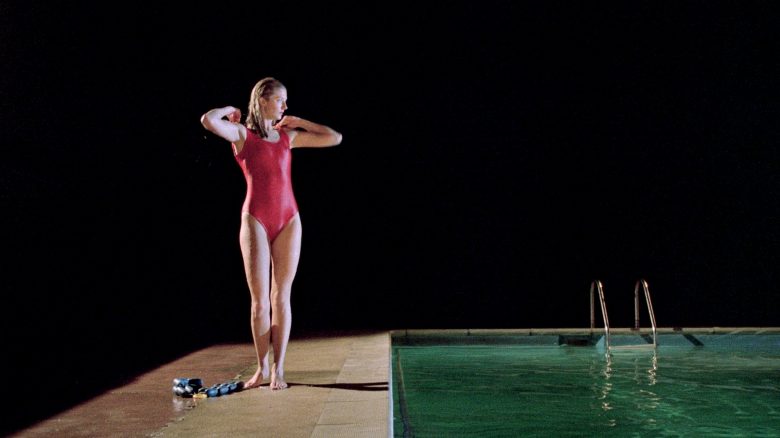
Peter Greenaway has long been a provocateur of the silver screen, and Drowning by Numbers remains one of his most visually arresting and conceptually rigid experiments. Released in the late eighties, this dark comedy operates with the mathematical precision of a chess game, following three generations of women who all share the same name and a shared propensity for disposing of their unsatisfactory spouses. By framing these homicides as a series of game-like maneuvers, the narrative moves away from traditional crime tropes and into the realm of the surreal. It is a film that challenges the viewer to look past the grim premise and instead focus on the intricate, almost theatrical staging of each death, inviting audiences to treat the macabre events as a dry, intellectual puzzle rather than a gritty thriller.
For fans of Indian cinema who appreciate the recent shift toward stylized, genre-bending storytelling in industries like Malayalam or Tamil film, this work offers a fascinating point of comparison. While the regional landscapes of Indian cinema often explore family dynamics through the lens of emotional melodrama, Greenaway strips the domestic unit down to a cold, numerical sequence. The film functions as a stark character study of the coroner, Henry Madgett, whose complicity is bought through a mixture of longing and bureaucratic obligation. It is a quintessential piece for those who enjoy non-linear, highly aestheticized narratives where the director’s vision dictates the pacing more than the plot itself. The actors deliver performances that are intentionally detached, mirroring the director’s obsession with symmetry, numbers, and the absurdity of human conflict.
This is not a film for those seeking a straightforward procedural or a sympathetic look at criminal morality. Instead, it is positioned for the cinephile who values art-house sensibilities and a dry, biting wit that borders on the nihilistic. As the plot unfolds through its repetitive, ritualistic murders, the film forces an examination of how we quantify life and death. It stands out in the vast library of British independent cinema precisely because it refuses to offer any comfort or moral redemption. Whether or not you find the central conceit endearing, the sheer commitment to its own peculiar logic makes it a standout entry in the history of dark, intellectual comedy, proving that even a grim subject can be transformed into a sophisticated display of cinematic craft.
Cast(24)