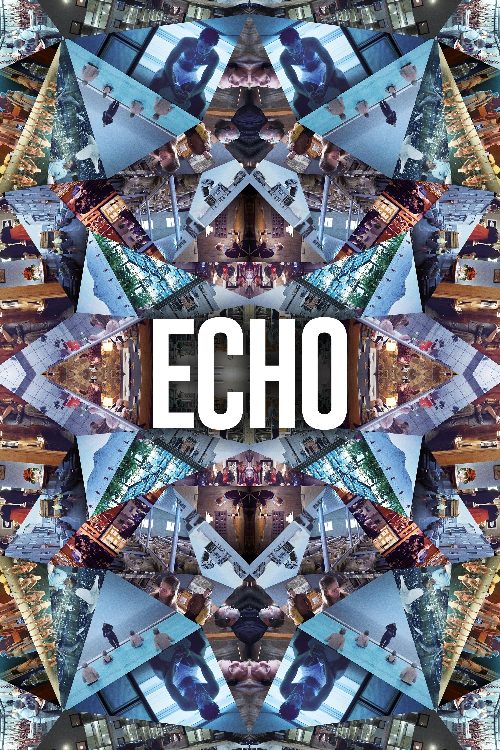
About Echo
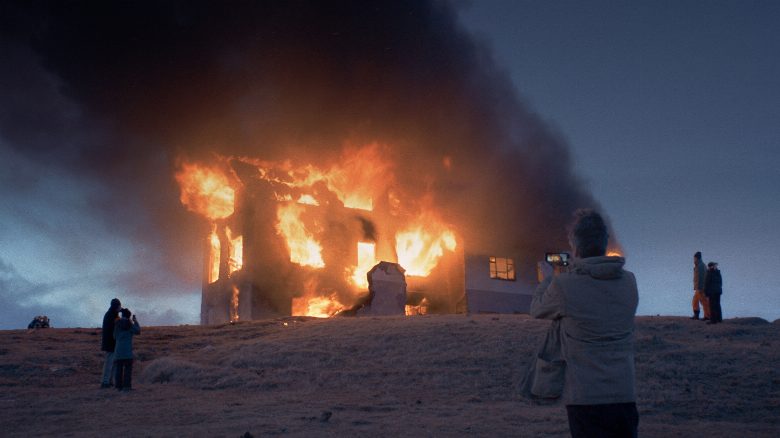
Through 56 independent scenes, Echo draws a portrait, both biting and tender, of modern day Iceland during the often turbulent but also exciting time of the Christmas holidays.
Watching a country evolve through the fragmented lens of a single festive season offers a fascinating structural experiment in modern cinema. Echo, a 2019 drama directed by Runar Runarsson, abandons the traditional narrative arc to present a mosaic of life in Iceland during the period surrounding Christmas. By stitching together 56 distinct vignettes, the film captures the subtle friction between ancient traditions and the encroaching pressures of a digital, globalized society. While many seasonal films lean into saccharine sentimentality, this project opts for a detached, observational aesthetic that feels remarkably honest. It functions less like a conventional story and more like a collection of snapshots, where the mundane details of daily existence coalesce into a profound meditation on the human condition.
For viewers accustomed to the high-octane emotional beats of contemporary Indian cinema, this Icelandic feature offers a deliberate change of pace. It prioritizes atmosphere and thematic resonance over explosive drama, placing it in the same league as minimalist world cinema that emphasizes cultural authenticity. The film does not rely on a singular protagonist but instead treats the entire Icelandic population as a collective lead, showcasing how individuals navigate isolation, joy, and existential uncertainty against a backdrop of winter snow and twinkling lights. It is a work that demands patience, rewarding those who appreciate the quiet power of understated storytelling and visual composition.
Runarsson has built a reputation for exploring the complexities of his homeland with a sharp, empathetic eye, and this film serves as a testament to his ability to find beauty in the ordinary. The production is particularly notable for its technical precision; each scene is captured in a single, unblinking take, forcing the audience to sit with the characters as they grapple with their circumstances. This approach creates a sense of voyeurism that is both intimate and unsettling. If you are a cinephile who enjoys films that challenge the boundaries of structure, or if you are simply looking for a holiday watch that eschews cliches in favor of a raw, authentic look at society, this is a compelling addition to your watchlist. It succeeds by refusing to tell you exactly how to feel, instead inviting you to observe the intricate rhythms of a nation caught between its past and its future.