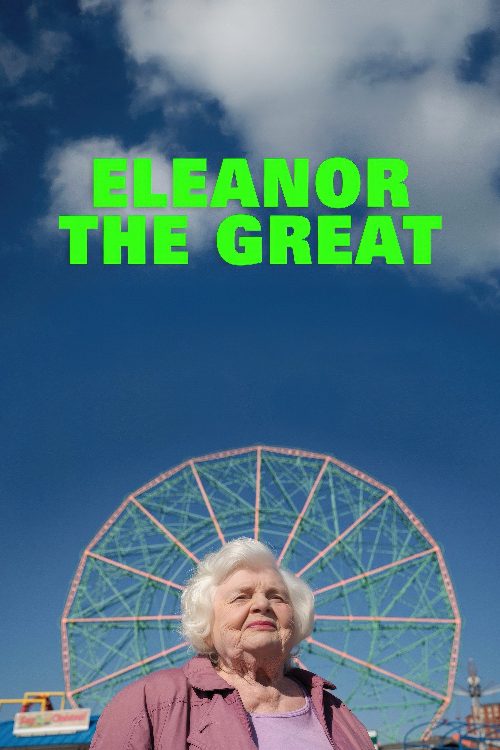
About Eleanor the Great
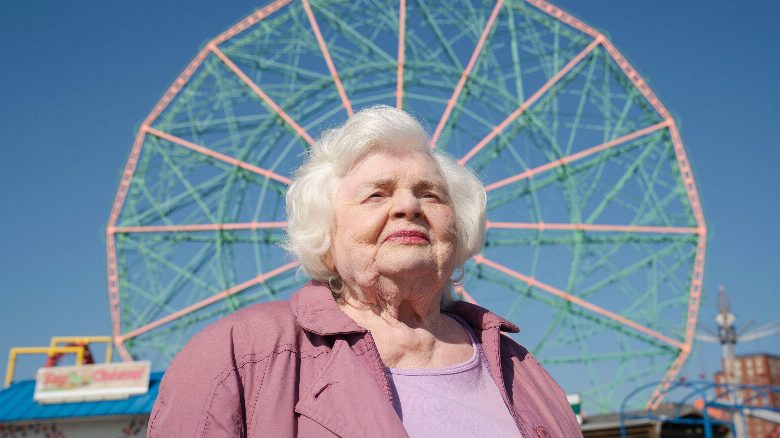
94-year-old Eleanor Morgenstein tries to rebuild her life after the death of her best friend. As a result, she moves back to New York City after living in Florida for decades.
Scarlett Johansson steps into the director chair for Eleanor the Great, a poignant study of resilience that avoids the typical tropes of elderly protagonists searching for purpose. By focusing on a ninety-four-year-old woman navigating the emotional vacuum left by a sudden loss, the film shifts away from the high-octane spectacles currently dominating global box offices. Instead, it offers a quiet, character-driven narrative that feels both intimate and expansive. In an era where Indian cinema is increasingly celebrated for its layered family dramas and regional character studies, this project aligns with a growing global appetite for stories that prioritize human connection over grand, world-ending stakes. It serves as a refreshing departure for audiences accustomed to the sweeping emotional arcs of Telugu or Hindi dramas, opting for a grounded, urban realism that feels distinctly New York.
The film explores the profound difficulty of starting over when the horizon seems narrow, challenging the assumption that reinvention is exclusively a pursuit of the young. Eleanor Morgenstein, portrayed with nuance, serves as the anchor for a story that bridges the gap between past memories and present solitude. For viewers who appreciate the slow-burn intensity of Malayalam indie hits or the grounded storytelling found in contemporary independent cinema, this movie provides a masterclass in tone. It is less about the mechanics of moving back to a bustling metropolis after years in a quiet retirement haven and more about the internal geography of grief and the stubborn persistence of hope. The screenplay avoids being overly sentimental, choosing instead to lean into the dry wit and sudden vulnerabilities that characterize a long life well-lived.
This production is poised to resonate with anyone who finds comfort in the slow unraveling of a complex character. It functions as a bridge between generations, offering a perspective that is rarely centered in mainstream English-language features. By placing an elderly woman at the heart of the action, the film demands that the audience slow down and engage with the subtle shifts in her environment. While it lacks the kinetic energy of a masala entertainer, its quiet power lies in its commitment to sincerity. Those who follow the trajectory of actors-turned-directors will find this a particularly compelling addition to a growing list of auteur-driven projects that favor emotional authenticity over commercial artifice. It is a contemplative viewing experience that lingers long after the final frame, inviting us to reconsider how we define a life of significance in our waning years.
Cast(54)