
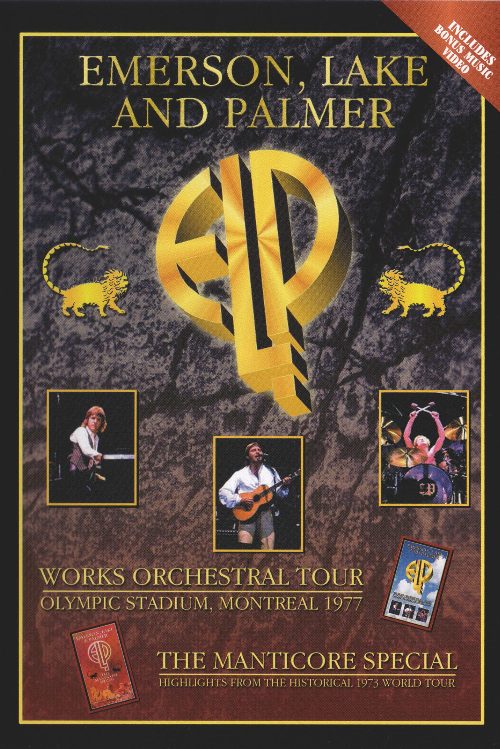
Emerson, Lake & Palmer: Works Orchestral Tour(1977)
About Emerson, Lake & Palmer: Works Orchestral Tour
Works Orchestral Tour is live in Montreal on Aug. 26, 1977, where ELP became the first rock band to assemble and tour with a full 65 piece symphony orchestra before a sold-out audience of 70.000 enthusiastic fans. This is Emerson Lake And Palmer "Symphonic Live" recorded during the works tour on August 26th 1977 at the Montreal Olympic Stadium. The band was accompanied by the Royal Montreal Philharmonic 65 Piece Orchestra and a 12 person choir. This show, filmed before over 70,000 fans is considered to be Keith Emerson's Opus.
For those who track the evolution of global performance art, the 1977 Works Orchestral Tour stands as a monumental bridge between the raw energy of rock and the structural complexity of classical arrangements. While modern Indian cinema frequently experiments with grand, sweeping musical scores that define the emotional core of blockbusters, the sheer audacity of Emerson, Lake and Palmer taking a full symphony orchestra on the road remains a landmark in music history. This captured performance from Montreal serves as a time capsule, documenting a moment when the boundaries of live sound were pushed to their absolute limit. The decision to integrate a sixty-five piece ensemble alongside a choir was not merely a stylistic choice but a bold reinvention of how a rock group could dominate a massive stadium environment.
The film offers a fascinating look at the ambition of the trio, particularly the vision of keyboardist Keith Emerson, who viewed this tour as his ultimate artistic statement. For viewers accustomed to the high production values of contemporary Tollywood or Bollywood concert sequences, this historical document provides a raw, unfiltered perspective on how live music was scaled for gargantuan audiences during the seventies. It captures the tension between the technical precision of the Royal Montreal Philharmonic and the improvisational spirit inherent in the band's identity. The scale of the event, performed before seventy thousand spectators, highlights the sheer logistical mastery required to harmonize electric instrumentation with traditional orchestration long before the digital era simplified such crossovers.
Audiences who appreciate the intersection of high drama and technical virtuosity will find this essential viewing. It appeals to those who study the history of live spectacle and the evolution of cinematic concert documentation. Rather than relying on the polished edits of modern music films, this piece retains a documentary grit that emphasizes the scale of the orchestra and the intensity of the band. It serves as an important reference point for anyone interested in how large-scale musical narratives are constructed, reminding us that the marriage of rock and classical music was once the pinnacle of mainstream experimentation. Whether you are a devotee of prog-rock history or a fan of grand orchestral arrangements, this look back at the Montreal show illustrates a daring chapter in the history of live performance that remains influential to this day.