About Enemies of Children
A street waif of questionable parentage through circumstances is taken into a wealthy home where she is adopted and cared for until her marriage, which follows the successful attempt to expose the mystery of her birth.
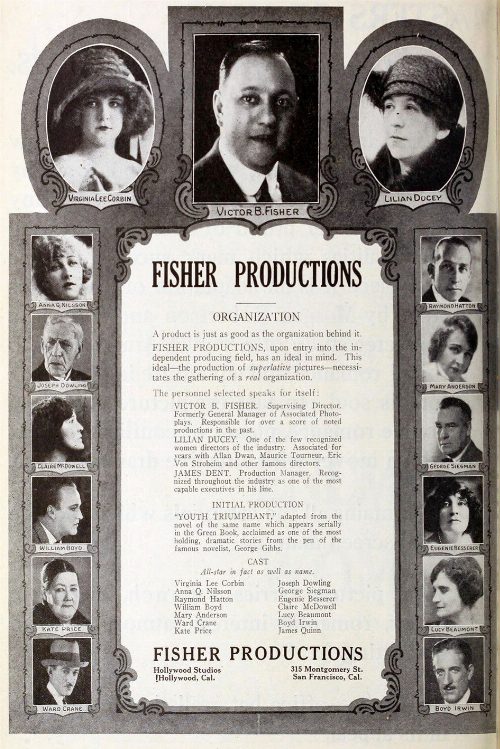
Tracing the lineage of early twentieth century cinema often leads us to forgotten treasures like Enemies of Children, a 1923 production that serves as a fascinating window into the melodramatic sensibilities of the silent era. Directed by Lillian Ducey, this feature captures the quintessential rags to riches narrative that dominated the cultural zeitgeist of the twenties. While modern audiences raised on the fast paced storytelling of contemporary Indian cinema or the gritty realism of current global dramas might find the pacing deliberate, there is a distinct charm in how this film handles the archetypal journey of a young protagonist thrust into an unfamiliar world of privilege. It remains a notable relic for film historians interested in how the industry once navigated themes of lineage, societal status, and the search for belonging long before such tropes became standardized in global popular culture.
The heart of the story lies in the transformation of a street urchin whose life is irrevocably altered when she is integrated into a household of substantial wealth. This transition provides the foundation for the film to explore the friction between disparate social classes, a concept that continues to resonate across various film industries today, including the vibrant landscape of Tollywood and Bollywood. By focusing on the protagonist’s eventual quest to reconcile her mysterious past, the narrative creates a sense of stakes that feels both personal and high reaching. Virginia Lee Corbin delivers a performance that leans into the emotive, grand gestures characteristic of the time, anchoring a plot that relies heavily on the tension between the secrets of one's origin and the promise of a stable, domestic future.
This film is particularly well suited for cinephiles who appreciate the evolution of character driven dramas and the aesthetic hallmarks of the silent period. It functions as a precursor to the domestic melodramas that would eventually define mid century storytelling, offering a glimpse into the structural DNA of the genre. Those who enjoy dissecting the history of film production and the shifting roles of women behind the camera will find Ducey’s directorial hand an intriguing point of study. While the medium has changed drastically over the last century, moving from the flicker of early projectors to the high definition screens of today, the fundamental human desire to uncover one's identity remains a timeless hook. Enemies of Children stands as a testament to these enduring thematic threads, inviting viewers to revisit a simpler yet emotionally charged era of storytelling that paved the way for the complex narratives we celebrate in cinema today.
Cast(11)