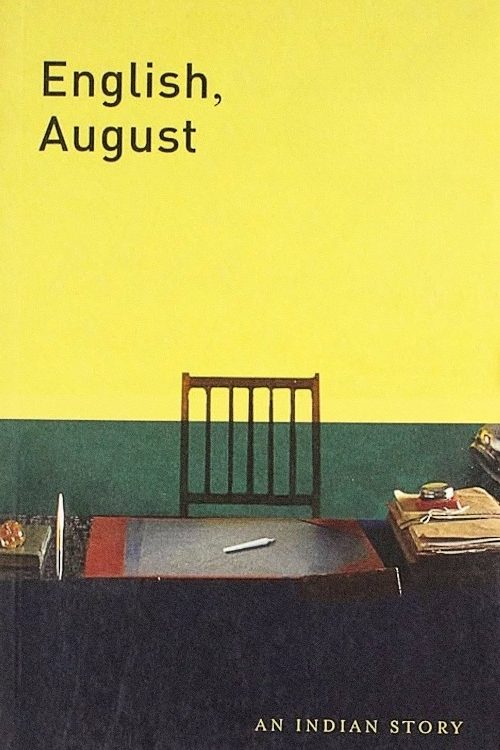
About English, August
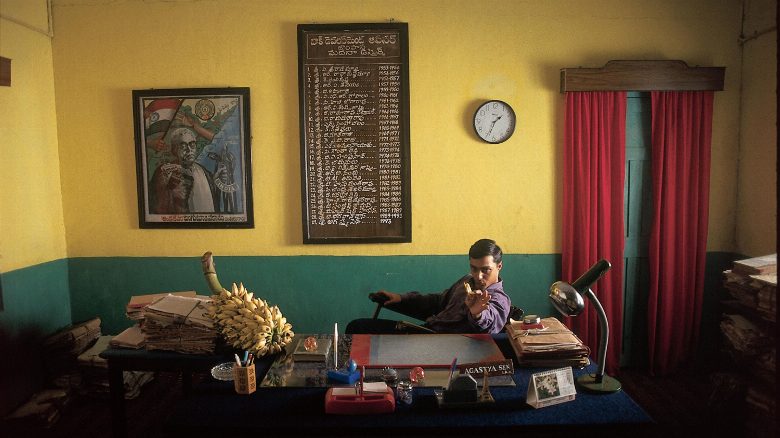
Agasyta, an urban bengali who seamlessly shuttles between Ella Fitzgerald and Rabindra Sangeet, joins the Indian administration service and gets posted in the lap of India's hinterland - a dingy little town called Madna.
Navigating the peculiar intersection of Western bohemian sensibilities and the rigid structures of the Indian bureaucracy, English August remains a seminal touchstone in the evolution of independent Indian cinema. Released in 1994, Dev Benegal’s debut feature arrived at a moment when the industry was beginning to look past traditional song-and-dance spectacles toward more introspective, character-driven narratives. The story follows Agastya Sen, a young man from a sophisticated Kolkata background, who finds himself thrust into the suffocating, dusty monotony of a remote district town. This culture shock serves as the catalyst for a profound existential journey, capturing the isolation of a fish out of water with an acerbic wit that feels as sharp today as it did decades ago.
The film serves as a fascinating time capsule of the post-liberalization era, reflecting the anxieties of an educated youth caught between colonial-era administrative legacies and the emerging modern identity of a changing nation. Rahul Bose delivers a defining performance as the protagonist, perfectly embodying the aimless drift and intellectual alienation of a man who would rather lose himself in literature and music than navigate the banal politics of his government posting. By focusing on the quiet absurdity of small-town life, the narrative manages to find humor in the mundane, steering clear of melodrama to offer a raw and honest look at the internal lives of those tasked with governing a complex, multifaceted country.
Viewers who gravitate toward slow-burn character studies or films that prioritize atmosphere over high-octane plotting will find much to admire here. It is an ideal watch for those interested in the history of Indian parallel cinema, particularly for audiences who appreciate the works of directors who prioritize cultural nuance over commercial tropes. The film does not offer easy answers or grand resolutions, preferring instead to linger in the discomfort of its protagonist, which makes it a deeply relatable experience for anyone who has ever felt like an outsider in their own environment. While it is technically an English-language production, its heart remains firmly rooted in the specific socio-political landscape of India, marking it as an essential entry for anyone building a comprehensive library of regional and national cinematic achievements. By capturing the messy, unpolished reality of administrative life, the work stands as a bold testament to the versatility of directors working outside the mainstream studio system during the nineties.