About Fair Play
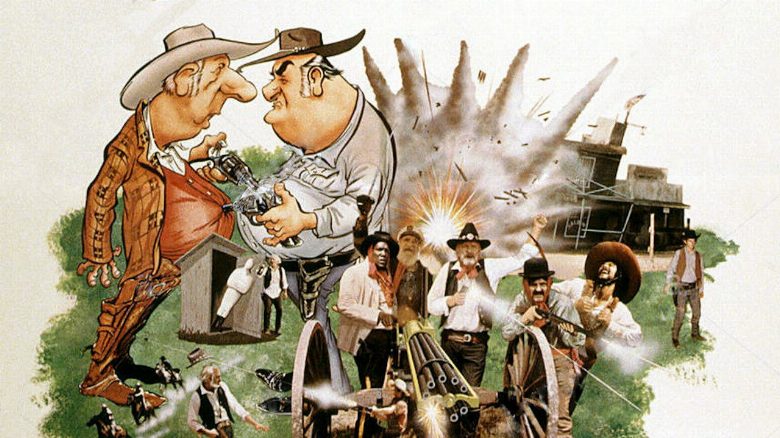
A young man arrives at the town of Fair Play to see his uncle. What he finds upon arriving is a town hiding a secret from any outsiders. The young man must uncover the truth the townspeople wish to keep hidden in order to save his uncle.
Stepping away from the hyper-stylized action epics currently dominating the global cinematic landscape, the 1972 feature Fair Play offers a fascinating window into a bygone era of genre-blending storytelling. While contemporary audiences might be more accustomed to the high-octane pacing seen in modern Telugu or Hindi blockbusters, this film leans into the deliberate, atmospheric tension characteristic of the seventies American Western. It functions as a curious relic of a time when the myth of the frontier was being deconstructed, trading the traditional heroics of the Old West for a more claustrophobic, mystery-driven narrative that feels surprisingly relevant even today.
The story centers on an outsider navigating a community that clearly prefers its history buried. By centering the plot on a familial rescue mission, the film taps into a universal emotional core that resonates across cultural boundaries, much like the family-centric dramas we frequently analyze within the Indian film industry. For viewers who appreciate the slow-burn suspense found in Malayalam thrillers, Fair Play provides a similar satisfaction. It is less about the explosive showdowns typical of the genre and more about the psychological weight of a town guarding a collective secret. The cast, featuring character actors like Paul Ford and Robert Middleton, anchors the production with a grounded sense of menace, ensuring that the stakes feel personal rather than purely performative.
This film is an ideal pick for cinephiles who enjoy dissecting the evolution of the Western genre, particularly those who prefer character-driven mysteries over spectacle. It serves as a reminder that the most compelling conflicts often arise not from physical power, but from the dangerous friction between an inquisitive stranger and a closed society. While it lacks the vibrant musicality and grand scale of modern Tollywood or Kollywood hits, its commitment to a singular, moody aesthetic makes it a distinctive entry for anyone looking to explore the fringes of 1970s Hollywood. Whether you are a dedicated student of classic cinema or simply a fan of stories that prioritize atmosphere, this piece offers a compelling look at the dark underbelly of a seemingly quiet town. It occupies a unique space in the archives, proving that even a half-century later, the quietest towns can hold the most unsettling truths.
Cast(22)