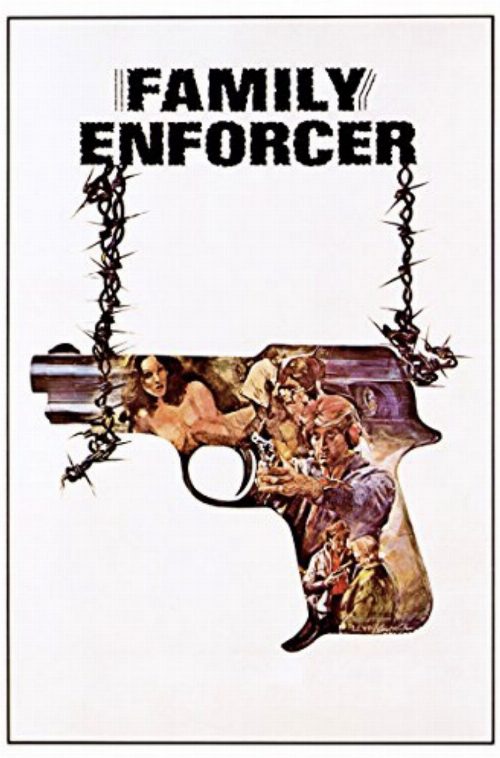
Family Enforcer(1976)
About Family Enforcer
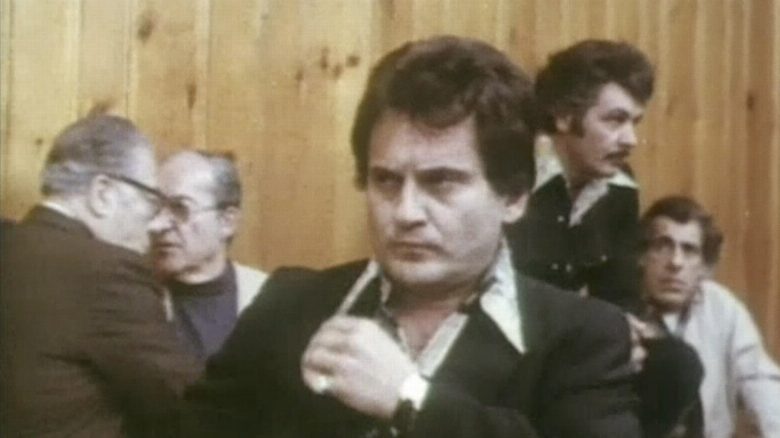
A kid from the neighborhood goes to work for the Mafia as a collector.
Stepping into the gritty, smoke-filled atmosphere of mid-seventies cinema, Family Enforcer captures a raw, street-level perspective on the lure and eventual decay of the underworld. Long before he became a household name synonymous with explosive temperaments and mob-adjacent roles, Joe Pesci anchored this production with a taut, understated performance that highlights the banality of crime rather than its glamour. The narrative follows a young man navigating the unforgiving hierarchy of organized crime in his local district, tasking himself with the grim responsibilities of debt collection. Unlike the sweeping, operatic sagas of the era, this film remains tightly focused on the suffocating pressure of street life, serving as a time capsule for a specific brand of American independent filmmaking that favored character study over spectacle.
For enthusiasts of global cinema who appreciate the evolution of the gangster genre, this picture offers a fascinating look at the early development of archetypes that would later define the careers of its primary cast. While contemporary audiences might be more accustomed to the high-octane action found in modern Telugu or Tamil cinema, there is a distinct lineage between the emotional volatility displayed here and the intense moral conflicts often explored in current Indian crime dramas. The film functions as a stark character portrait, eschewing grand conspiracies to instead examine how a neighborhood environment can systematically trap an individual within a cycle of violence. It is an essential watch for those interested in the formative years of method acting and the gritty, low-budget aesthetics that influenced directors across the globe throughout the twentieth century.
The film is positioned as a grim cautionary tale that strips away the romanticism often associated with the mob, focusing instead on the toll taken on the human psyche. By grounding the premise in the claustrophobic reality of daily collections, the story avoids the typical pitfalls of the genre, opting for a grounded approach that emphasizes the protagonist's internal struggle with his evolving moral compass. Viewers who enjoy atmospheric storytelling and are interested in the roots of the modern crime thriller will find this work particularly compelling. It stands as a testament to the power of a focused performance, proving that a compelling narrative does not always require massive budgets or expansive settings to leave a lasting impact on the viewer. Whether you are a dedicated follower of vintage American cinema or a student of how regional storytelling traditions have shaped international genre conventions, this piece of cinema history remains a relevant and stark reminder of the cost of living on the edge.
Cast(32)