About Fire and Ice
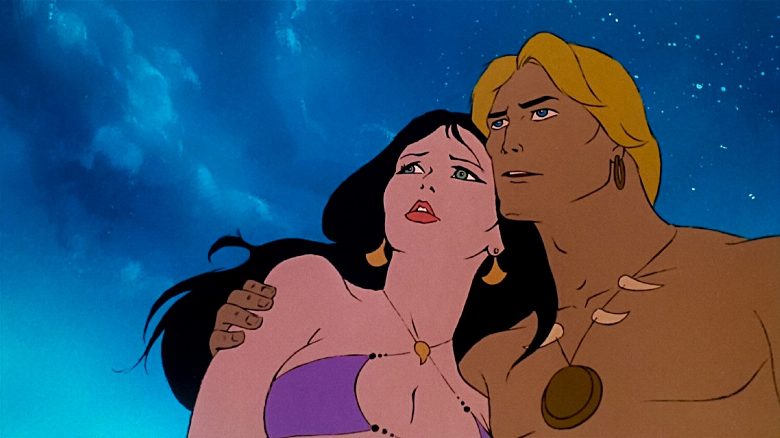
The villainous Nekron and his mother, Queen Juliana, plot against the human race from their frigid fortress. Creating mass destruction with huge glaciers, mother and son incur the wrath of Larn, a warrior whose entire village was destroyed by ice. When Nekron's underlings kidnap the beautiful Princess Teegra, Larn sets out to rescue her, assisted by the fierce and enigmatic Darkwolf.
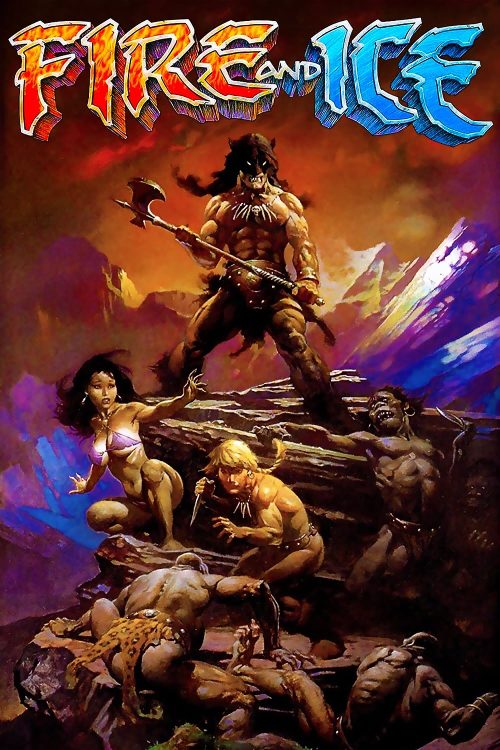
Ralph Bakshi remains a singular force in the history of adult animation, and his 1983 collaboration with fantasy illustrator Frank Frazetta, Fire and Ice, stands as a visceral testament to his experimental ambition. Unlike the sanitized, family-oriented cartoons that dominated American screens during the early eighties, this film thrives on a gritty, pulp-inspired aesthetic that feels remarkably distinct from its peers. By utilizing rotoscoping technology to translate the fluid, muscular vitality of Frazetta’s iconic paintings into moving images, the production achieves a haunting, dreamlike quality that bridges the gap between classic sword and sorcery literature and the emerging possibilities of cinematic science fiction. It is a visual artifact that demands attention for its uncompromising commitment to a dark, elemental atmosphere.
The narrative pits the encroaching, glacial doom of a sinister royal lineage against the remnants of humanity, grounding its high-concept fantasy in a primal cycle of vengeance and survival. As the icy forces led by the malevolent Nekron expand across the land, the story centers on the intersection of three disparate figures: a displaced warrior seeking retribution, a kidnapped princess caught in the gears of a geopolitical power struggle, and the mysterious, hardened mercenary known as Darkwolf. This trio provides an effective anchor for a world that feels vast and perilous, prioritizing atmospheric world-building over dense dialogue. The film functions as a masterclass in visual storytelling, where the shifting climates and rugged landscapes communicate as much about the stakes as the physical confrontations do.
Viewers who appreciate the tactile, hand-drawn textures of pre-digital animation will find this an essential watch. It appeals specifically to fans of vintage pulp comics and those interested in the evolution of dark fantasy cinema, as it eschews traditional heroic tropes for a more savage and unpredictable journey. While modern audiences may notice the stylistic quirks of early rotoscoping, the film remains a fascinating case study in how animation can push into mature territory. It captures a specific moment in pop culture history when directors were willing to take massive risks with medium and tone, solidifying its status as a cult classic. For those who enjoy films that favor moody, immersive environments and a relentless sense of motion, this remains a bold example of how to translate static, heroic illustrations into a kinetic, big-screen experience.
Cast(30)



Crew
Executive Producer
Screenplay
Casting
Original Music Composer
Editor
Director of Photography
Background Designer
Similar Films