About Fishing Child
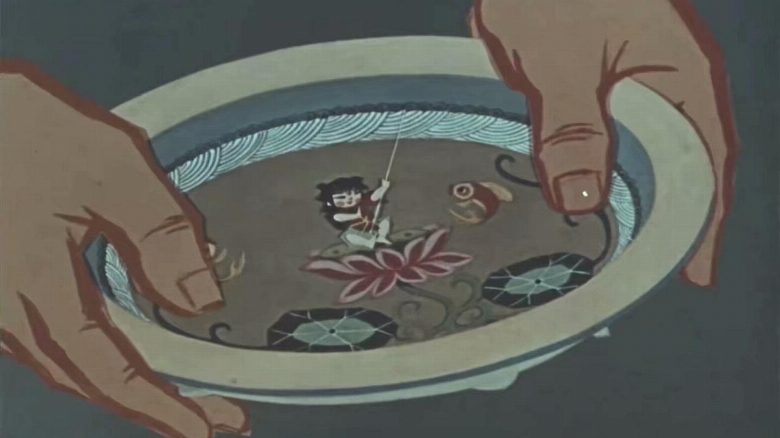
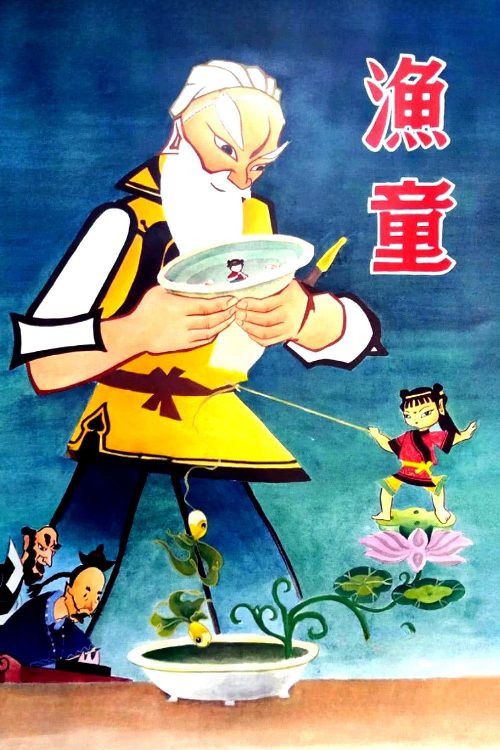
An old fisherman catches a fish bowl from the sea, the fishing child painted on the bowl comes out to reality to catch a lot of pearls for him. A missionary wants to occupy the bowl and is punished by the fishing child.
Guchan Wan stands as a pivotal architect of the golden age of Chinese animation, and his 1959 masterwork Fishing Child remains a testament to the artistic ingenuity of the Shanghai Animation Film Studio. During an era when global cinema was largely dominated by Western cel techniques, this production chose to embrace the fluid elegance of traditional brush-and-ink aesthetics. By animating classic scroll paintings, the film creates a visual language that feels both ethereal and grounded in centuries of cultural heritage. While modern audiences raised on high-octane CGI might find the pacing deliberate, the film offers a meditative quality that is rare in today’s landscape, echoing the gentle storytelling traditions found in early mythological cinema from India and beyond.
The narrative centers on an elderly man whose humble life is transformed by the discovery of an enchanted vessel. The central hook involves a figure emerging from an illustration to manifest wealth and prosperity, yet the story quickly pivots toward a moral conflict. By introducing a greedy antagonist who seeks to hoard this magic for personal gain, the film elevates a simple fable into a clear commentary on avarice and the sanctity of communal resources. This theme of the virtuous poor versus the corrupt elite is a universal trope that resonates deeply with the socio-political storytelling often favored in classic Indian parallel cinema, making it an intriguing watch for those who appreciate folk-inspired allegories.
For enthusiasts of historical cinema, the film serves as a brilliant time capsule of mid-century artistic experimentation. Because it relies heavily on visual storytelling rather than complex dialogue, the message of the film transcends language barriers with ease. Viewers who enjoy the whimsical, hand-drawn charm of early Studio Ghibli works or the poetic rhythm of traditional shadow puppetry will find much to admire here. Guchan Wan showcases a unique ability to infuse inanimate objects with spirit, proving that animation can function as a high art form capable of delivering profound ethical lessons. It is a must-watch for anyone interested in the evolution of Eastern animation and those who appreciate films that prioritize atmosphere and cultural identity over spectacle. By maintaining a focus on the harmony between humanity and the natural world, the film retains a timeless relevance that continues to inspire contemporary animators looking to ground their work in local traditions rather than global trends.
Cast(1)

Crew
Director
Similar Films